
State insurance reforms, catastrophe models aim to expand coverage; homeowners urged to report problems
Get AI-powered insights, summaries, and transcripts
Subscribe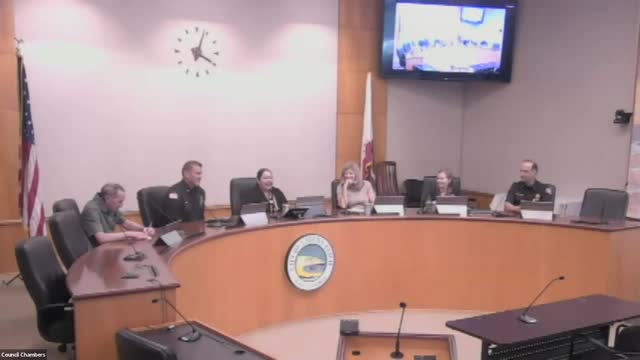
Summary
A California Department of Insurance representative outlined state rules and new catastrophe models designed to move high‑risk homes from the Fair Plan back to the private market, and urged Laguna Beach residents to report claim or rate problems so the department can investigate.
Brenda Caloca, a representative of the California Department of Insurance, told a Laguna Beach town hall that the department is rolling out a set of reforms intended to modernize underwriting and expand private market access for homes in wildfire‑prone areas.
Caloca said the reforms center on a publicly regulated catastrophe model that insurers may use for rate‑making only if they meet a market‑share caveat and other conditions. “The catastrophe model is a tool,” she said, and it “gives [insurers] a rate making of what their rates are going to be” rather than relying on historical loss data.
The department has approved three catastrophe models so far, Caloca said, and insurers seeking to use those models must go through department review. She added the models include reinsurance cost and are intended to reward homeowners who take mitigation steps by reflecting those measures in risk scores and premiums.
Caloca described additional legislative and regulatory changes the department is implementing or monitoring, including measures she identified as: AB 3074 (referred to during the meeting as “AB 30 74”), AB 888 (California Safe Homes Act), SB 547 (Business Insurance Protection Act), SB 497 (changes to contents coverage), the Fair Plan Stability Act (identified as AB 226 during the meeting), the Insurance Wildfire Safety Act, and a public wildfire catastrophic model act. She said those laws and rules would expand coverage options, increase certain content limits, create tax‑free home‑hardening grants, and extend moratoria that pause cancellation for fire victims.
Residents at the meeting pressed Caloca about premium impacts. One attendee said his household saw fivefold and tenfold premium increases in other communities, and asked whether mitigation would meaningfully lower premiums. Caloca responded that rates are evaluated case‑by‑case and urged residents to submit requests for assistance or complaints when they believe their mitigation or other factors were not reflected in their premium or claim handling. “If you feel like there is a component in of your mitigation that’s being ignored…please submit a request for assistance,” she said.
Caloca also described the department’s consumer support functions. She urged homeowners to report claim processing problems — for example, residents reporting problems obtaining payment for smoke damage prompted a task force and regulatory attention, she said. “If you are experiencing an issue…we always encourage you to report those because that’s the only way we can continue to find out and identify” systemic problems, Caloca said.
City staff and fire officials at the meeting described local mitigation work — field modifications, fuel breaks and outreach — and said those local efforts are part of what insurers and the department will consider when assessing risk. Laguna Beach Fire Chief Nico King and Fire Marshal Robert Montgomery spoke about local programs; Chief King reminded residents the city has been prioritizing mitigation since the 2019 wildfire safety mitigation report.
Caloca acknowledged that availability and affordability are distinct problems: “First we’re tackling availability before we can even tackle affordability,” she said, adding the department expects more insurers to re‑enter the market over time as these measures are implemented.
The department gave practical guidance: homeowners can request a risk score from their insurer, sign up for consumer alerts to learn about grant availability and regulatory updates, and contact the Department of Insurance through its consumer complaint/request channels if they believe an insurer is acting improperly.
The town hall included multiple audience questions about how insurers set maps and whether insurer maps differ from CAL FIRE hazard maps; Caloca and local speakers clarified that CAL FIRE hazard maps reflect hazard at a landscape level, while insurers assess risk and may apply mitigation‑level adjustments.
The department repeatedly asked residents to report problems and said department specialists can review policies and claims to determine whether insurers complied with the law and regulations. Caloca said the goal of the reforms is to “remove those of you that are in the Fair Plan onto the traditional market,” and to “incentivize consumers to really take proactive approaches to become wildfire safe.”