
Council leans toward making Bridal Place a one-way to reduce cut-through traffic, seeks county review
Get AI-powered insights, summaries, and transcripts
Subscribe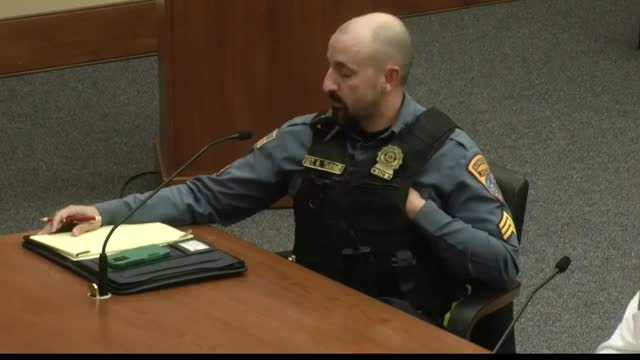
Summary
After resident outreach and police input, Ridgewood officials signaled support for converting Bridal Place to one-way traffic to reduce shortcutting and lower crashes at nearby Glen/Oak intersections; next steps include county review and targeted resident notifications before ordinance introduction.
Ridgewood council members and police officials told residents on Oct. 22 they favor converting Bridal Place to a one-way street to reduce cut-through traffic and improve safety at the nearby Oak–Glen intersection.
Traffic staff and Ridgewood Police Sergeant Torino told the council that crash counts—averaging about 11 to 12 crashes per year at the intersection—drove the review. Engineering distributed a short survey to Bridal Place residents; police said nine responses arrived in time for staff review (six in favor, three opposed), and two additional “yes” replies followed the deadline. Council member Evan Weitz said he knocked on nearly every door on a Sunday and found “overwhelming” support for action among neighbors.
Sergeant Torino and the village engineer said a one-way conversion would remove certain vehicle movements that contribute to crashes at Oak and Glen by reducing conflict points where drivers cross Glen Avenue. That would also remove many vehicles that use Bridal Place as a shortcut, they said. Engineering recommended sending an ordinance to Bergen County for comment and suggested notifying adjacent residents ahead of a public hearing.
Council members asked staff to pursue county approvals and to expand resident outreach before introducing an ordinance at the November meeting. Council member Weitz suggested additional, smaller steps—temporary enforcement or a ban on certain right turns during peak hours—if the county prefers incremental changes first.
No final ordinance vote occurred at the Oct. 22 meeting. Council members asked staff to return with county feedback and to produce a notice to surrounding homeowners before the public hearing.
The proposed one-way would be introduced as an ordinance next month and, if advanced, would be effective after statutory notice and a second reading, council members said. Engineering and police said they would coordinate enforcement during any transition period.