
Leon Valley residents press council on development revenue, proposed tax breaks and long-term budget impacts
Get AI-powered insights, summaries, and transcripts
Subscribe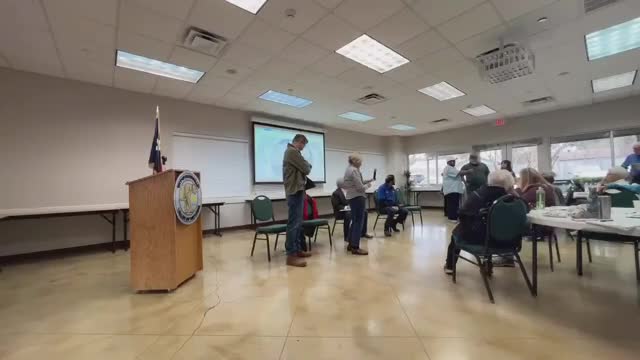
Summary
Residents at a Jan. 25 Leon Valley town hall raised repeated concerns about new housing developments, a proposed 20% homestead exemption and a tax-freeze for residents 65 and older, asking how short-term development revenue will cover rising operating costs.
Several residents at the City of Leon Valley town hall on Saturday, Jan. 25 pressed city leaders about how revenue from new housing developments would affect the city—s budget and whether proposed tax breaks would be affordable in the long term.
At the meeting, multiple speakers urged neighbors to participate earlier in planning commission meetings that approve projects such as tree variances and subdivision plans. One resident said developments have been in planning for years and few neighbors attend early-stage meetings to voice concerns. Another speaker urged the community to use input opportunities to influence development decisions.
The discussion shifted to the budget and proposed property-tax changes. A city presenter (identified in the transcript as a staff member) presented rough fiscal impacts: about $300,000 in lost revenue from a proposed 20% homestead exemption and about $200,000 from a 65-and-older tax freeze, which the presenter combined and described as "over $600,000." The presenter said councilor Bradshaw—s estimate of revenue from incoming housing — 500 homes at an average value of $350,000 — would generate roughly $800,000 per year in combined property and sales-related receipts under the assumptions cited at the town hall. The presenter also warned that red-light camera revenue that currently funds parts of the police budget will expire in two years, increasing the pressure to identify stable revenue sources.
Speakers emphasized that development-driven revenue growth can be temporary and that expanding city services and staff to match growth often increases long-term expenses. One resident cited examples from other cities, including Houston-area jurisdictions, to argue that rapid development can balloon budgets through added hires, new police capacity and other recurring costs.
Council members and staff at the meeting said additional traffic studies and future budget work sessions will be scheduled after developments are more complete so that peak traffic and service demands can be measured. City staff also noted the council is weighing both revenue options and program cuts; one example discussed was the future of a municipal pool as a potential savings decision.
The exchange underscored a core tension the council faces: how to balance tax relief proposals for homeowners with the need to fund ongoing public safety, infrastructure and maintenance costs as new housing comes online.