
Bill would allow guaranteed Medigap issue after switch from Medicare Advantage; supporters and insurers clash
Get AI-powered insights, summaries, and transcripts
Subscribe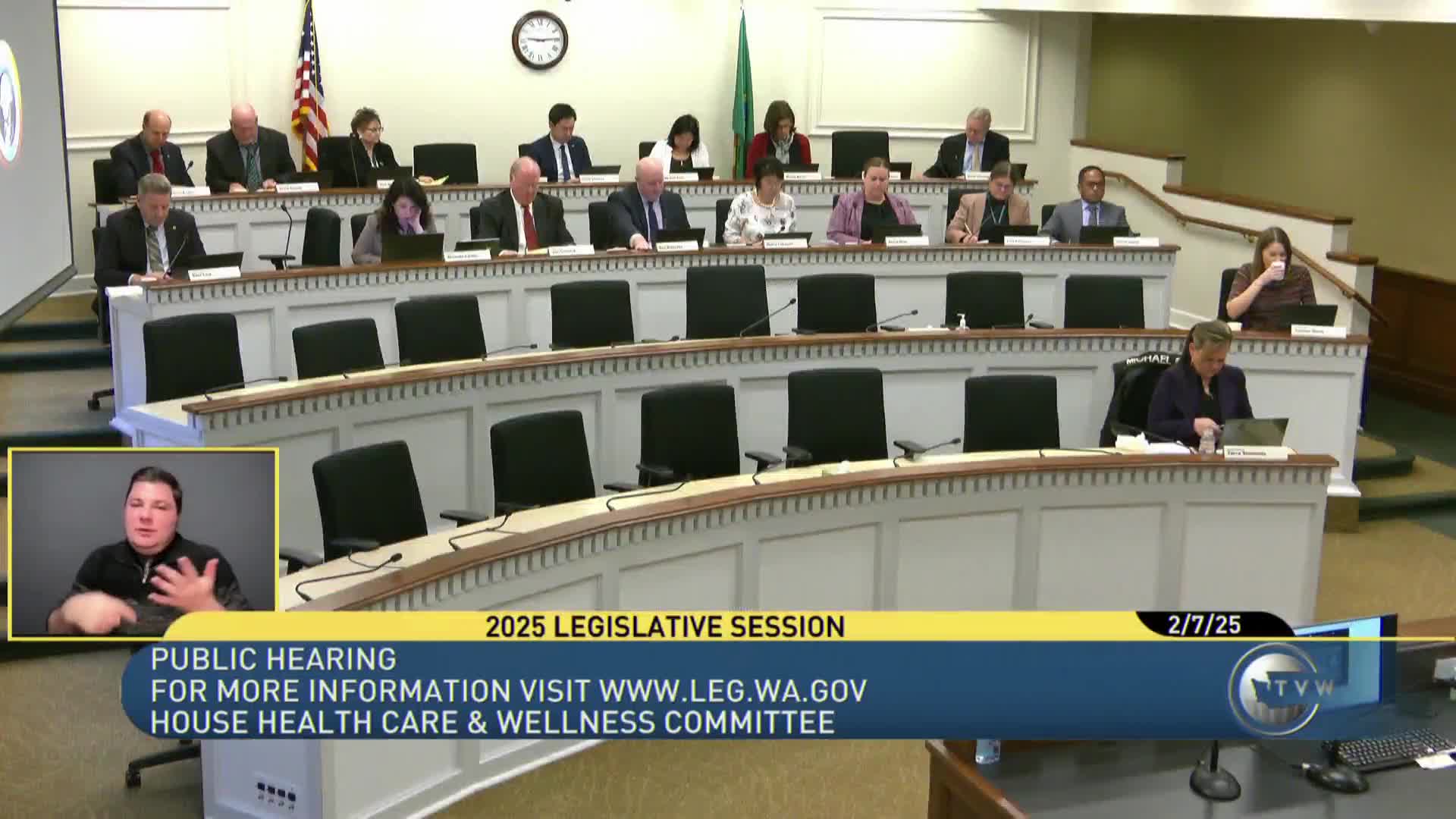
Summary
Representative Berg's House Bill 1603 would create guaranteed‑issue rights for Medigap coverage when an enrollee switches from Medicare Advantage to traditional Medicare; supporters said the change would protect consumers whose networks close, while insurers warned it would raise Medigap premiums.
Representative Berg told the House Health Care & Wellness Committee on Feb. 7 she brought House Bill 1603 after hearing stories from constituents who could not secure Medigap coverage when leaving Medicare Advantage plans whose networks no longer covered their doctors.
"Too many seniors are facing unfair penalties when they try to get health care that they need," Berg said, recounting a constituent who signed up for Medicare Advantage at 65 and later lost in‑network access to his doctor. The bill would establish a guaranteed‑issue period for Medigap coverage triggered when a person voluntarily switches from Medicare Advantage to Original Medicare during an open‑enrollment period.
Several advocates testified in support. Howard Lazarini, a Bellevue patient, described leaving his Medicare Advantage plan to get a prosthetic thumb joint recommended by an out‑of‑network surgeon; after underwriting, he said he was refused by two Medigap carriers before a later underwriting holiday allowed coverage. "We need to do that in this state," he said, urging passage of HB 1603 or a related bill.
Groups including Puget Sound Advocates for Retirement Action, the Leukemia & Lymphoma Society, AARP Washington and the Retired Public Employees Council supported broader guaranteed‑issue protections or similar measures, arguing that narrow Medicare Advantage networks and prior authorization can leave patients without care or with unexpectedly high out‑of‑pocket costs.
Representatives from America's Health Insurance Plans and other insurer groups opposed the bill, saying opening guaranteed issue outside current federally defined windows would invite adverse selection and raise Medigap premiums. Chris Bandley of AHIP referenced actuarial analyses and urged caution, saying similar policies in other states have been associated with higher premiums and reduced market competition.
Office of the Insurance Commissioner staff said the bill presents a difficult trade‑off: guaranteed issue would improve access but could increase average Medigap premiums and reduce enrollment, citing a 2022 OIC study that estimated a one‑time premium increase in the mid‑teens percentage range for some guaranteed‑issue designs. OIC said it would work with sponsors on outreach and consumer protection.
No vote was taken on HB 1603 during the Feb. 7 hearing; the bill received public testimony and technical questions from committee members. Sponsors and advocates asked lawmakers to weigh access and fairness for beneficiaries against possible premium impacts noted by regulators and insurers.