
Committee approves bill limiting districts’ use and sale of staff contact data, bars intrusive required apps
Get AI-powered insights, summaries, and transcripts
Subscribe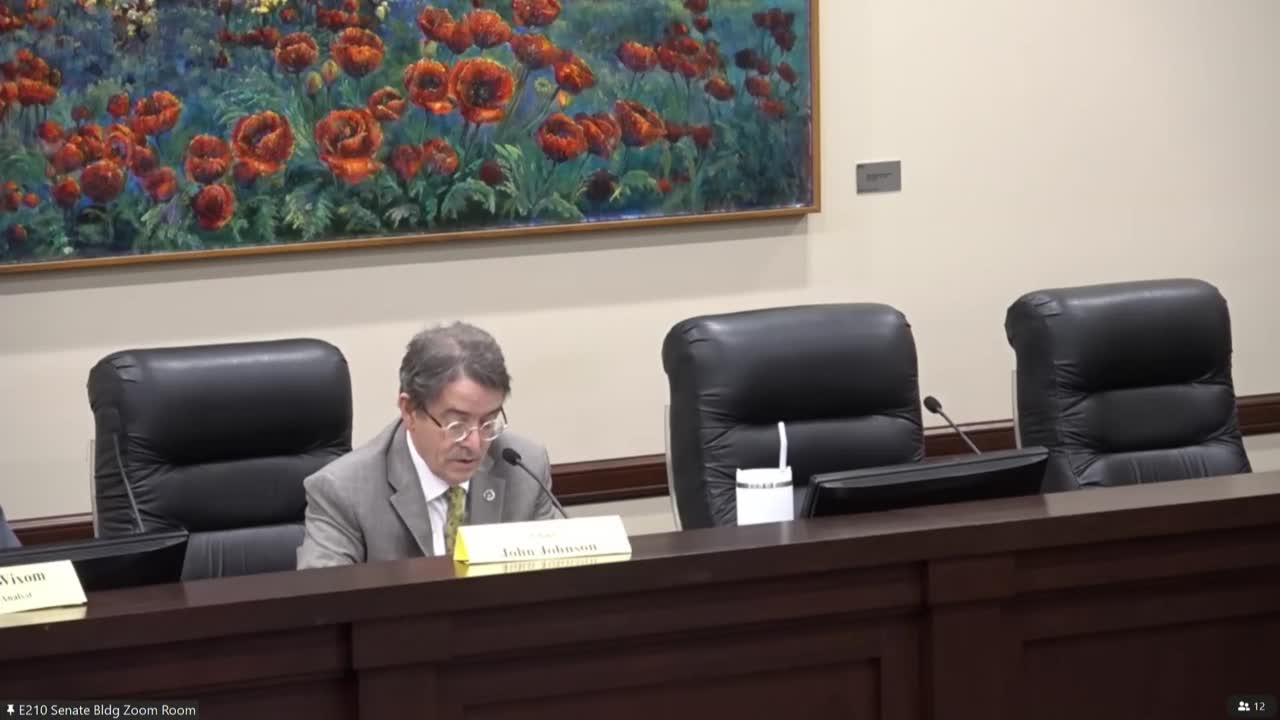
Summary
The Senate Education Committee approved First Substitute House Bill 124 on a 3–1 vote; the bill would limit LEAs’ ability to distribute staff contact lists and restrict requiring certain technologies on employees’ personal devices when vendor terms permit external data access.
The Senate Education Committee approved First Substitute House Bill 124 on a 3–1 vote after amendments tying the bill to a separate records-access measure. The bill would restrict local education agencies (LEAs) from selling or otherwise distributing certain LEA contact information and bar LEAs from requiring employees to use technology on personal devices when the vendor’s terms permit access to data outside the app itself. It also creates a written-complaint avenue to the Utah State Board of Education for employees who believe the law was violated.
Representative Lee, the bill sponsor, said the measure responds to constituent concerns that teachers’ official email accounts and LEA distribution lists are being used by third-party vendors to send marketing or political content. Christina Boggess, a member of the State Board of Education, summarized the bill’s restrictions: it “prohibits the the requiring the use of certain technologies on personal devices” and “prevents LEAs from requiring technology if the required technology contains terms, conditions, or data sharing provisions that would allow access to data or information outside of the required technology itself.”
Nut graf: Supporters said the bill protects educators’ privacy and limits unwanted commercial or political contact on employer-managed distribution lists; opponents raised practical concerns about compliance with public-records laws and potential conflicts with other safety-related apps.
Public comment included Julie Jackson, who said JLC (the Utah School Boards Association/JLC tracking list) and some districts have concerns that the bill could prevent mandated safety apps from operating on employees’ personal phones, requiring districts to issue separate phones. Heidi Alder, a government liaison with Weber School District, said one outstanding issue was ensuring the bill’s restrictions were consistent with GRAMA (the Government Records Access and Management Act) and noted a draft amendment to address that concern.
Committee action: The sponsor and staff said a House amendment added language to align the bill with a separate GRAMA bill by Representative McPherson; the committee then adopted a second amendment and approved the bill as amended. The final committee vote to send First Substitute House Bill 124 to the full Senate with a favorable recommendation was 3–1, with Senator Reby recorded in opposition.
Ending: The bill will move to the Senate floor with the committee amendments adopted.