
Senate expands categories for presumptive probation in criminal sentencing
Get AI-powered insights, summaries, and transcripts
Subscribe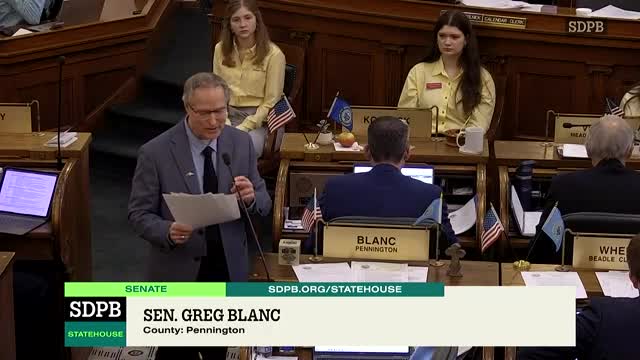
Summary
The Senate passed Senate Bill 57, which narrows presumptive probation by adding four offense categories to the list of crimes that may not receive presumptive probation, following substantive debate on incarceration rates and judicial discretion.
Senate Bill 57, a measure that modifies the state's presumptive probation sentencing framework, received final passage after extended debate about incarceration rates and judicial discretion.
Senator Blanc, speaking for the bill, said it was brought at the request of the attorney general and "addresses the issue of presumptive probation." He explained the change as an adjustment to existing sentencing guidance that presumes probation for certain felony classes unless aggravating circumstances exist; the bill adds four more categories to the statutory list of exceptions, including threats against officers or judicial officials and certain listed offenses.
Opponents on the floor argued the change risks increasing incarceration for offenses that some view as nonviolent. Senator Smith said, "we incarcerate way, way too many people in the state of South Dakota," and urged caution, while Senators Foster and others asked whether the provision applies only to felonies and raised concerns about misdemeanor conduct occurring during probation.
Sponsor and proponents argued the bill clarifies ambiguity and responds to public-safety concerns; Senator Black closed by saying the bill was intended to "clear up the ambiguity" and noted it is not intended to punish lightly but to provide clarity for crimes such as attacks on judges or the governor.
The secretary called the roll on final passage; the tally was recorded as 31 yeas, 3 nays and 1 excused. The presiding officer declared Senate Bill 57 passed and the title correct.