
Committee hears bill to add massage therapy as Medicaid pain-management option
Get AI-powered insights, summaries, and transcripts
Subscribe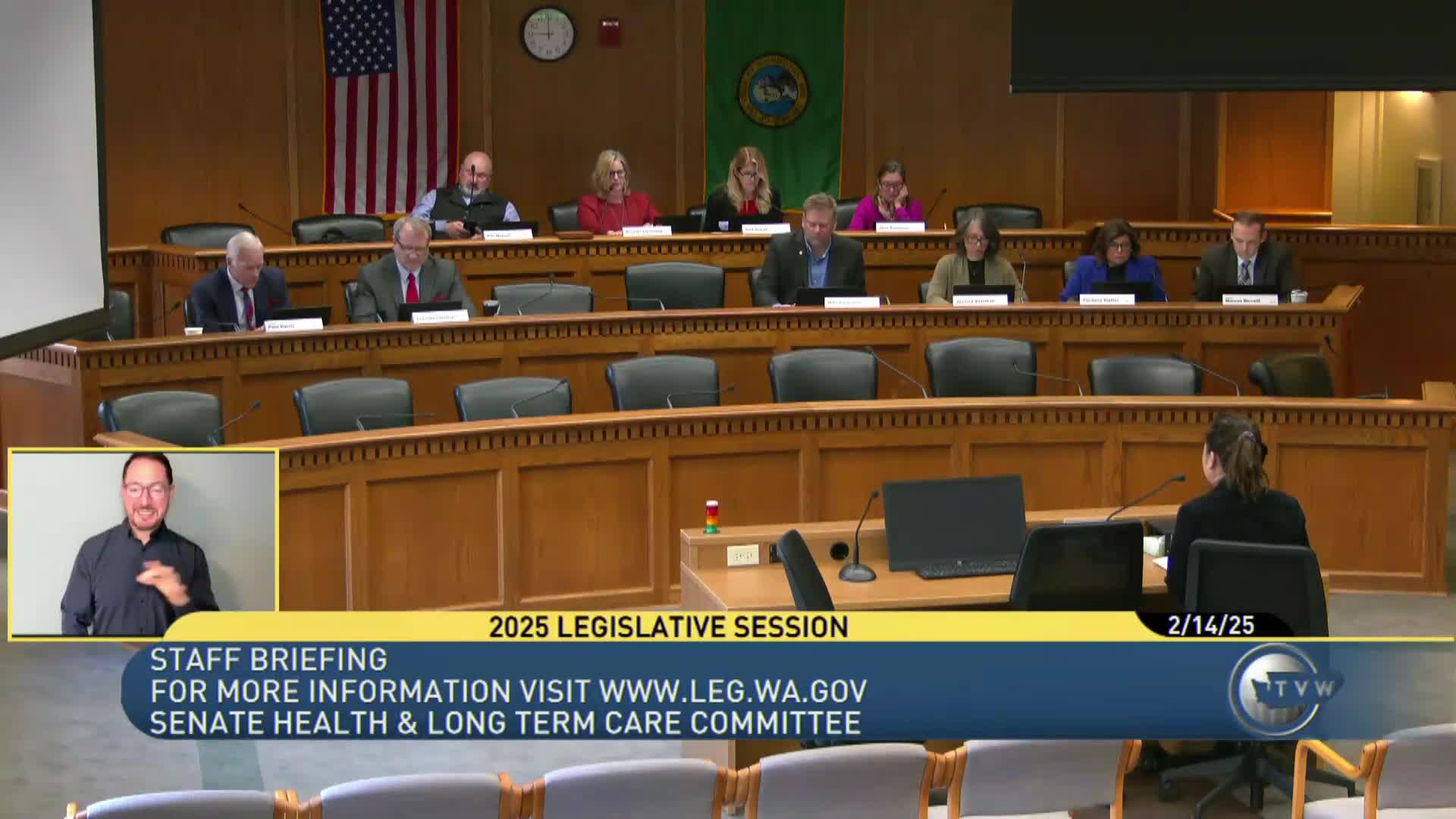
Summary
Senate Bill 5507 would require the Health Care Authority to cover massage therapy under Medicaid as a nonpharmacological alternative to opioids beginning Jan. 1, 2027; proponents cited evidence of pain relief and urged coverage parity with other state programs.
Senate Bill 5507, sponsored by Sen. Cleveland, would require the Health Care Authority to cover massage therapy as a nonpharmacologic alternative for treating or managing pain for Medicaid clients starting Jan. 1, 2027, upon referral from a qualified health-care provider.
Nut graf: Witnesses from the American Massage Therapy Association and practicing licensed massage therapists told the committee that massage therapy is supported by clinical evidence for many acute and chronic pain conditions and argued that Medicaid patients should have access to the same nonpharmacologic options available to state employees and to patients covered by Labor & Industries or private plans.
Testimony highlights: Leslie Emerick, representing the American Massage Therapy Association, said massage therapy is an effective pain-management tool that can reduce reliance on opioids and is already covered by L&I, some private insurers, PEBB/SEBB and the Community Health Plan of Washington. Practicing therapists testified that expanding coverage would improve equitable access for low-income patients and could yield net savings by reducing opioid use and downstream medical costs. One witness urged that coverage include safeguards and evidence-based limits to control costs.
Budget and implementation: Staff briefing described HCA’s role in administering Medicaid and the bill’s Jan. 1, 2027 coverage start date; proponents acknowledged an initial fiscal impact while asserting potential downstream reductions in opioid-related costs.
Ending: The committee closed testimony after hearing from therapists, association representatives and allied health supporters; no vote was taken at the Feb. 14 hearing.