Committee forwards HB471 to speed vehicle procurement for transit projects
Get AI-powered insights, summaries, and transcripts
Subscribe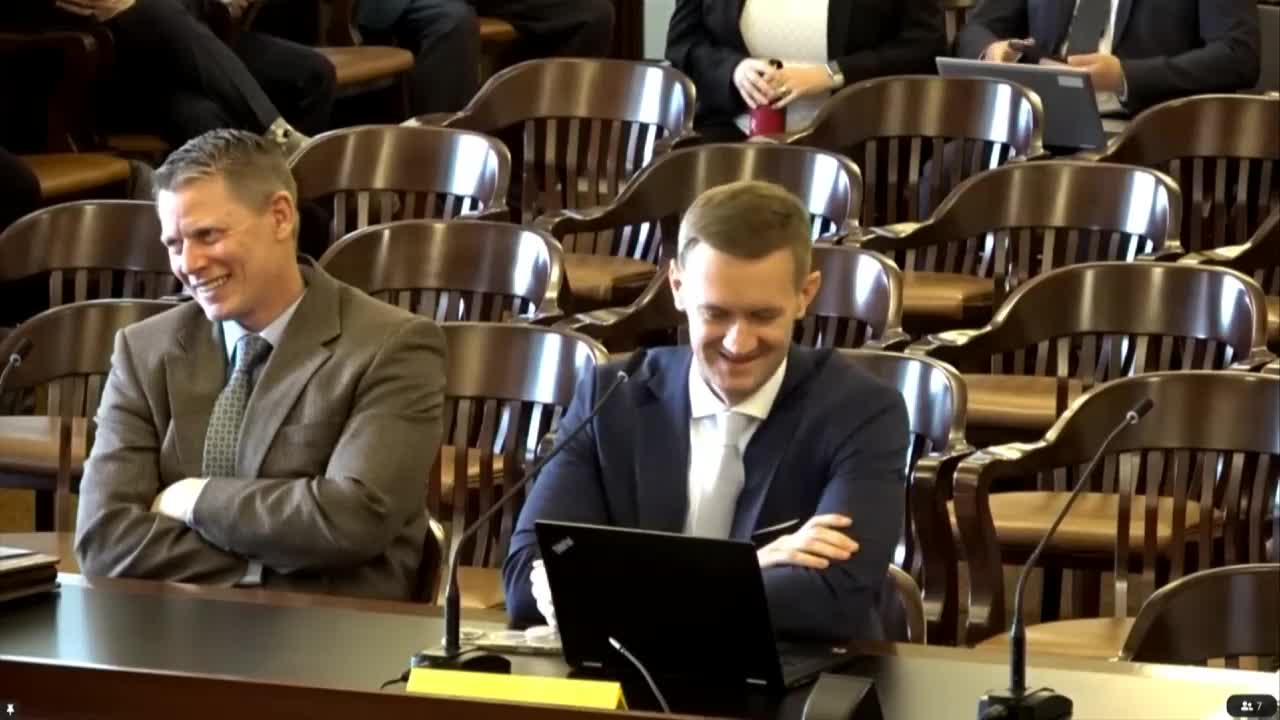
Summary
The Transportation Interim Committee passed HB471, which allows UDOT to use existing procurement contracts from other agencies ("piggybacking") for vehicle purchases, to shorten procurement timelines for projects such as FrontRunner double-tracking; UDOT supported the bill but procurement office technical edits are expected.
Representative Cal Roberts presented House Bill 471 to let the Utah Department of Transportation use existing vehicle procurement contracts negotiated by other transit agencies (a common "piggyback" approach) to shorten purchase timelines for vehicles needed on expanding projects.
Roberts said the tool is intended to compress a procurement process that otherwise could take two to two-and-a-half years and to help UDOT deliver transit projects faster. "This bill streamlines UDOT's vehicle procurement process by allowing UDOT to piggyback off of existing contracts that other transit or transportation agencies around the country might already have with vehicle manufacturers," Roberts said. He cited FrontRunner double-tracking as a near-term use case.
Leif Elder of UDOT testified in support and told the committee the approach is used nationally and supported by the Federal Transit Administration. "This is a tool that is supported by the FTA. It's a tool that's also used across the country," Elder said. Procurement staff were reported to have technical suggestions about where the language should be placed in state procurement code; the sponsor and UDOT indicated they would work with the state's procurement office on technical drafting.
Action: the committee voted to pass HB471 favorably with the stated goal of increasing procurement efficiency for upcoming vehicle purchases linked to capacity projects. Sponsors will incorporate technical drafting suggestions from the state's procurement office before the bill moves forward.