
Committee narrows municipal fines for repeat housing ordinance violators, sets $5,000 cap
Get AI-powered insights, summaries, and transcripts
Subscribe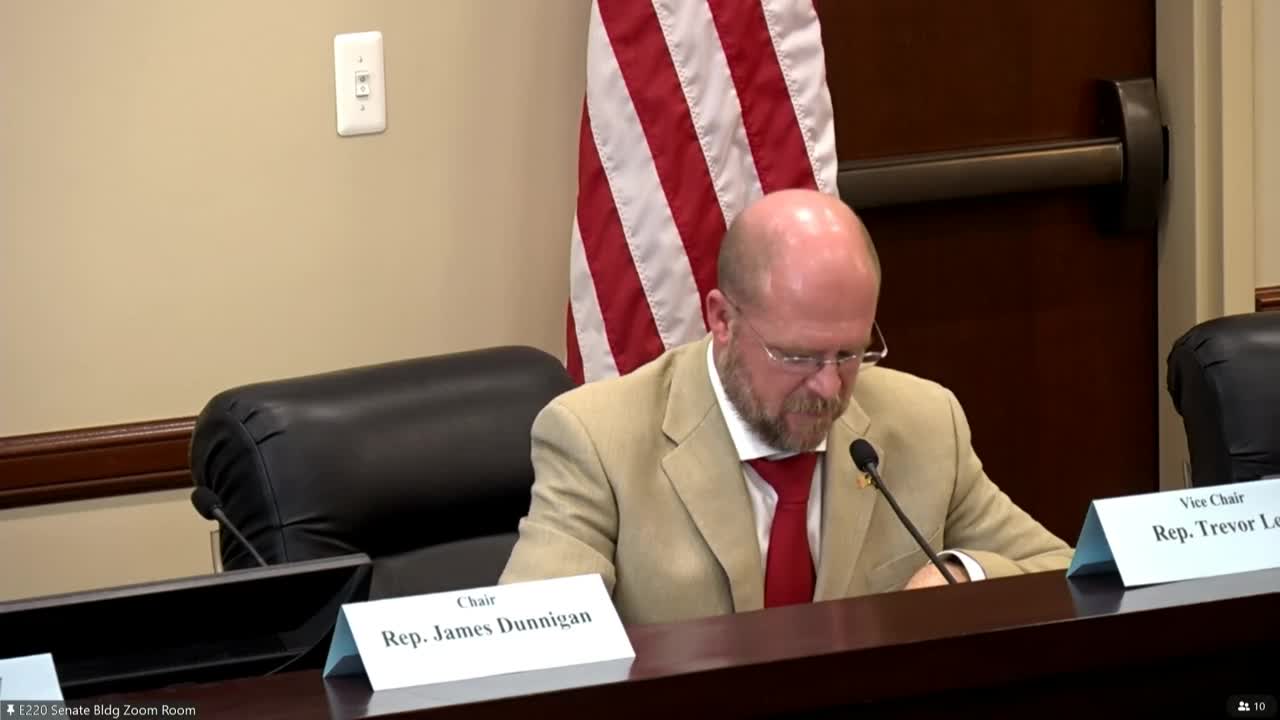
Summary
The committee advanced HB320 (first substitute), which lets municipalities increase civil penalties for repeat occupancy and rental‑dwelling violations but adds a $5,000 cap on fines; the bill passed 8‑2 after amendment and debate over appropriate limits.
Representative Shepherd presented HB320 (first substitute), which aims to give municipalities stronger civil tools to address repeat violators of occupancy, rental‑dwelling and related municipal ordinance violations that affect neighborhood livability and housing affordability.
The bill preserves the standard $1,000 cap but permits escalated civil penalties for an individual who has been assessed fines for the same violation three or more times in the previous 12 months. Sponsor and municipal witnesses emphasized that the measure targets repeat, often out‑of‑jurisdiction investors who treat fines as a cost of doing business and said existing criminal prosecutions were resource‑intensive and often resulted in limited consequences.
Deputy Mayor Isaac Paxman of Provo and other municipal witnesses described enforcement challenges and urged more effective civil remedies. Provo City Council member Katrice McKay said judges often impose far lower fines than statutes allow, and deputy mayor Paxman suggested municipalities need options such as higher civil fines and the ability to lien properties to secure payment.
Supporters included municipal staff and city representatives; small landlords and neighborhood representatives testified they were frequently damaged by repeat violators and supported stronger penalties. Opponents and cautionary voices raised concerns about scope and possible overreach; Representative Tuscher said he was not convinced the bill solved the enforcement and collection problems municipalities face. Committee sponsor and members negotiated a dollar cap during the hearing.
Amendment and vote: Representative Walter offered and the committee adopted a voice amendment to add a statutory cap on the escalated civil penalty so that the fine "does not exceed $5,000." In the final roll-call vote the committee passed the first substitute as amended, 8‑2 (Representatives Gwen and Tuscher opposed).
Ending: HB320 as amended gives municipalities an escalated civil‑penalty option for repeat occupancy and rental‑dwelling violations, constrained by a $5,000 maximum for the escalated civil fine; the bill was recommended favorably to the next stage.