
Committee sends bill funding a study on barriers to youth mental-health care to the floor
Get AI-powered insights, summaries, and transcripts
Subscribe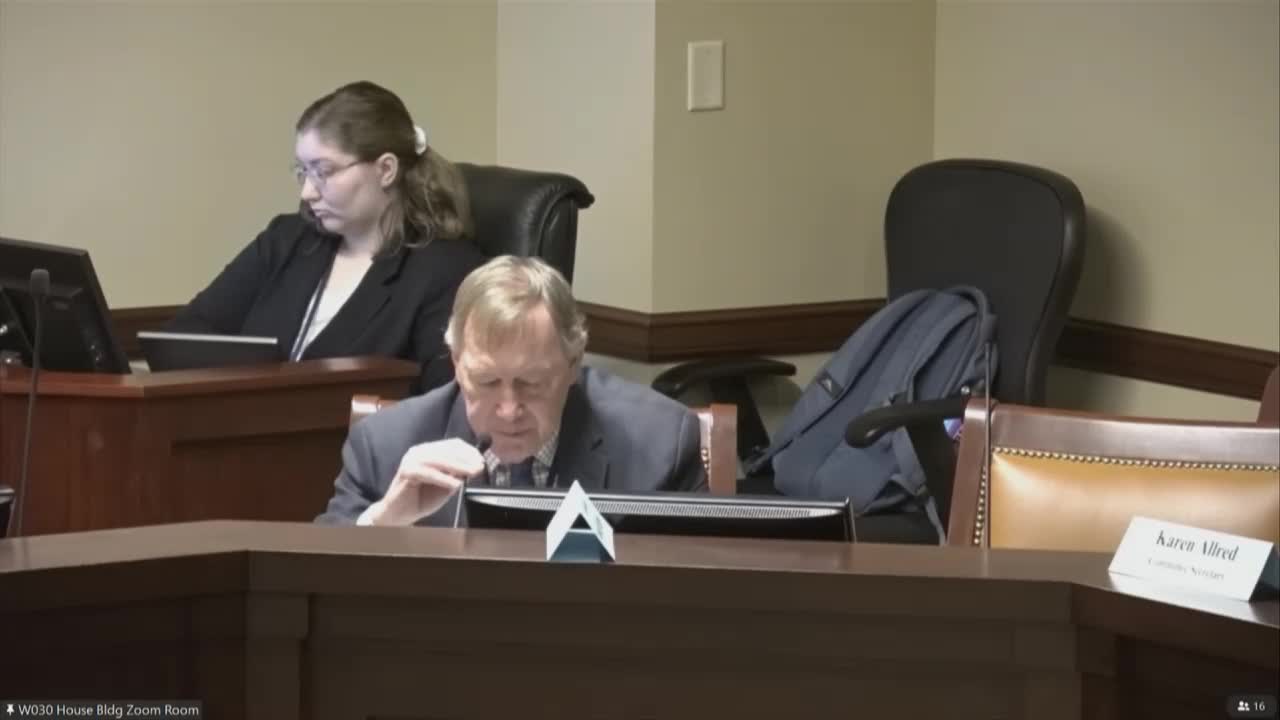
Summary
Lawmakers approved a bill creating a grant to study factors preventing Utah children and youth from accessing mental-health care. Sponsors said the work will identify barriers for ages roughly 3–17 and guide future policy; committee members asked that an open RFP process be considered.
The committee approved a bill to fund research into barriers preventing children from accessing mental-health care in Utah. Representative Barlow outlined the proposal as a study grant to identify factors causing the gap between diagnosis and receipt of treatment for children ages roughly 3 to 17.
Barlow cited state research showing a substantial share of children with clinically diagnosed conditions do not receive treatment: "58 percent of the Utah children ages 3 to 17 with a clinically diagnosed mental or behavioral health condition did not receive treatment or counseling despite being diagnosed," he said.
Committee members pressed for clarity about who would do the research and why the University of Utah was named in the bill’s initial draft. Representative Abbott noted that the university already conducts substantial research and asked why the bill would route funding to a single institution rather than opening an RFP to multiple research groups. Supporters and the sponsor said the intent is to obtain usable data quickly and that the state is open to broad participation; Representative Lisonbee said she would entertain a floor motion to open an RFP for the work.
Representative Eliasson and others stressed urgency: suicide is a leading cause of death for Utah children, and long waits and limited provider capacity make community access difficult. Committee members noted past county-level work by other policy institutes and said statewide, comparable data would help target interventions.
The motion to pass the bill out of committee carried on a recorded vote reported in committee: 10 in favor, 2 opposed; the transcript records Representatives Hall and Abbott as voting “no.” Supporters said an RFP-style approach could be considered on the floor and emphasized the need for objective, statewide data on pediatric mental-health access.
Ending: The committee approved funding for a youth mental-health access study and sent the measure forward with a favorable recommendation; members asked the sponsor to consider opening procurement to multiple research entities.