
Bill to tax short‑term rental platforms for affordable housing gets hearing; staff estimates large local transfers
Get AI-powered insights, summaries, and transcripts
Subscribe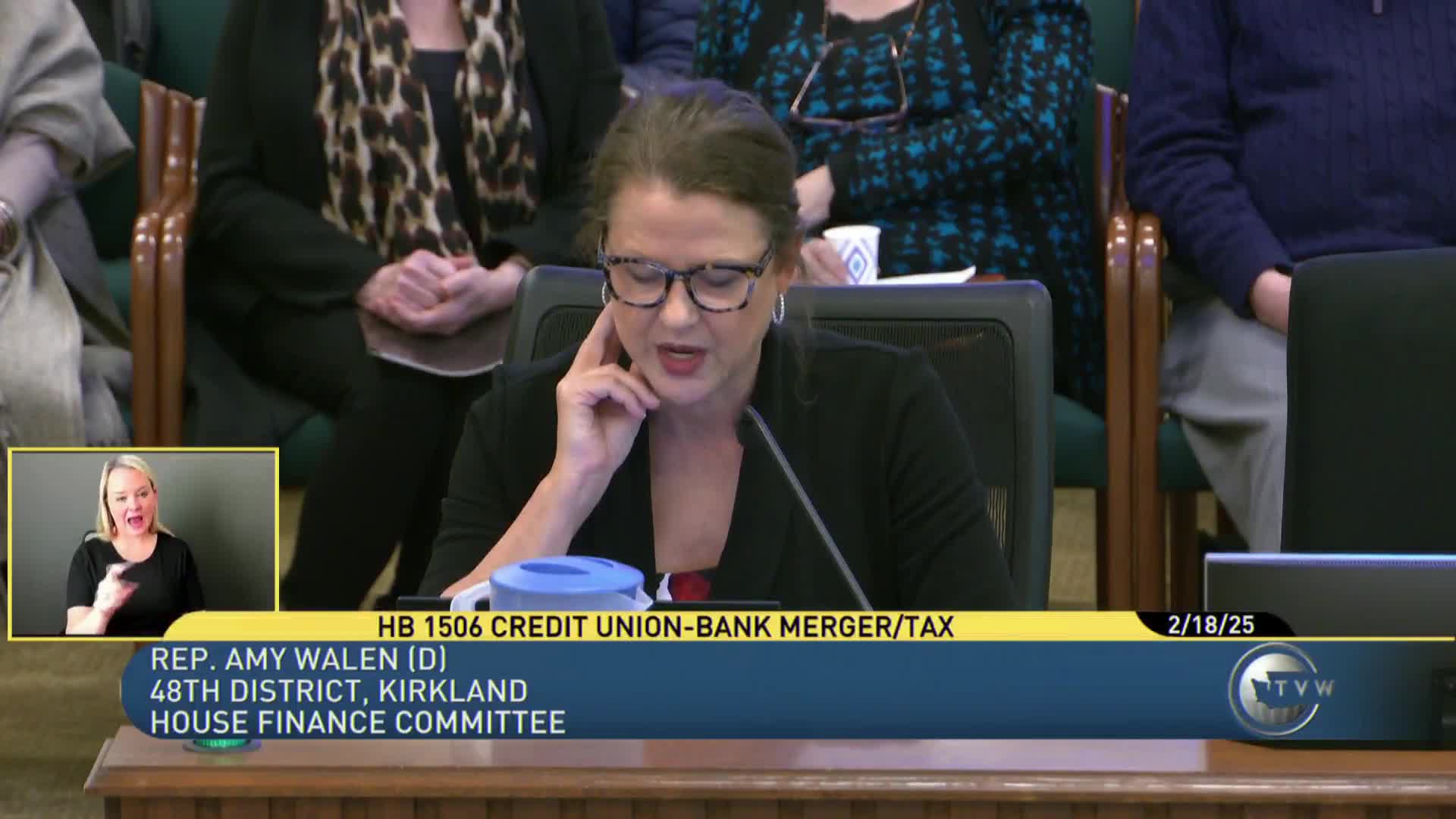
Summary
A proposed 6% statewide excise on short‑term rental platform sales to fund local affordable housing programs was briefed in the House Finance Committee Feb. 18; staff estimated more than $170 million across four years could flow to local governments under the bill’s rules.
House Finance heard House Bill 17 63 Feb. 18, a proposal to impose a statewide 6% excise tax on short‑term lodging sales facilitated through short‑term rental platforms beginning Jan. 1, 2026, with proceeds deposited to a new Essential Affordable Housing Local Assistance Account.
Under the bill, counties receive the tax revenue attributable to unincorporated areas and incorporated cities receive revenue for sales within their boundaries. Funds can be used by local governments for operating and capital costs of affordable housing programs, housing assistance, temporary shelters and housing infrastructure projects that meet specified density and siting requirements. Local jurisdictions may retain up to 20% of revenues for administration; remainder supports eligible housing uses.
Committee staff summarized the fiscal note: DOR projects roughly $72.2 million in affected revenues during the first biennium and about $102.4 million in the next biennium for a four‑year total estimate of approximately $174.6 million deposited into the new account (all figures preliminary). The local government fiscal note assumed a split of about 25% to counties and 75% to cities, with a 5% administrative retention in that estimate.
Sponsor Representative Partially (as recorded in committee attendance) said the bill reflects local needs to address homelessness and affordable housing and noted Olympia’s prior voluntary short‑term rental levy conversations as background. The committee closed the hearing after testimony and adjourned the business for the day.
Ending: City and county leaders may weigh in during subsequent testimony; the committee will consider project siting, allowable uses and distribution rules as it reviews the bill.