
Committee advances House Bill 13 82 to modernize all-payer claims database after debate over proprietary data
Get AI-powered insights, summaries, and transcripts
Subscribe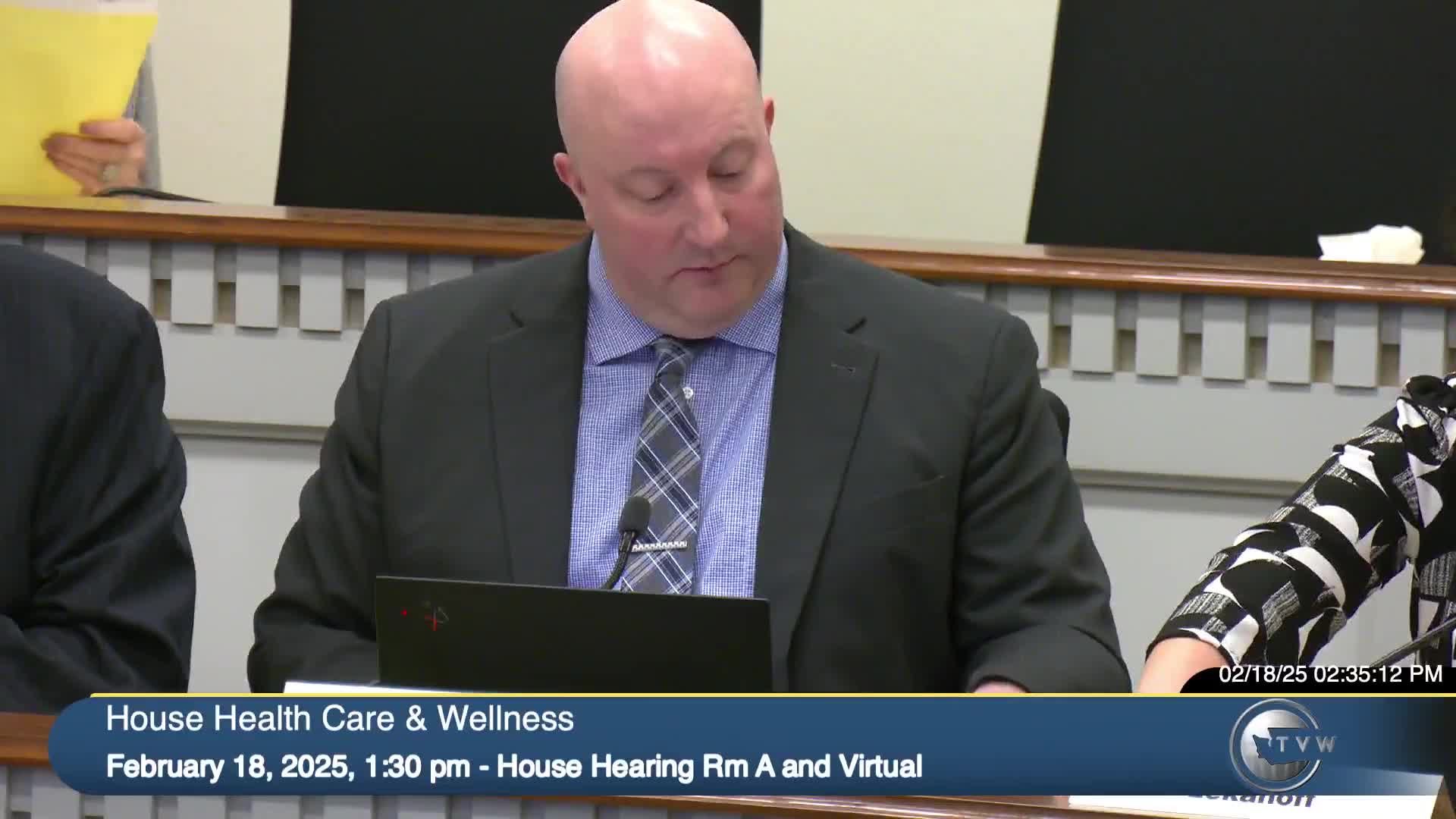
Summary
The House Health Care & Wellness Committee voted to report House Bill 13 82 out of committee with a "do pass" recommendation after debate over whether proprietary financial data should remain restricted in the state all-payer claims database.
The House Health Care & Wellness Committee on a party-line split reported House Bill 13 82 out of committee with a "do pass" recommendation, advancing legislation to modernize the state's all-payer claims database and align it with federal guidance on data elements.
Supporters said the update would modernize the database and increase transparency in health-care costs. Representative Thuringer, the bill sponsor, told the committee the modernization "is aligning with the federal policy by removing the proprietary financial restriction," and urged support.
Opponents said the change would expose negotiated proprietary information and could drive up prices. Representative Schmick moved an amendment to restore proprietary protections, arguing, "This restores, and puts back the proprietary information, back as a rule for the all payer claims database." Representative Thuringer urged a no vote on that amendment.
Two amendments (pool 112 and amendment 113) seeking to change data access provisions were debated and both failed. After debate, the committee called roll; staff announced the result as 12 ayes, 7 nays, 0 absent. The committee "reported out of committee with a do pass recommendation." The roll-call discussion recorded members' individual votes in committee minutes.
The bill would remove the statutory restriction on certain proprietary financial information in the database to conform with federal guidance and change the timing of certain reporting duties. Supporters framed the change as necessary to provide transparency about health-care costs; critics warned it could reveal negotiated payment levels and affect provider pricing behavior.
The committee's action advances the bill to the next stage; no final floor action occurred at the meeting.
Ending: The committee record shows continued partisan disagreement over the appropriate balance between transparency and protection of proprietary negotiated payment data; the bill moves forward to subsequent legislative steps with the committee's recommendation.