
Tech coalition and industry groups urge caution on sweeping social media rules to protect children
Get AI-powered insights, summaries, and transcripts
Subscribe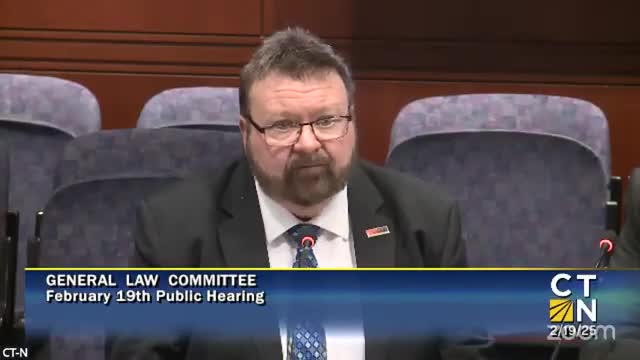
Summary
Witnesses from industry and advocacy groups praised online safety goals but warned that broad age‑verification, parental‑consent and algorithm restrictions in SB 12‑95 could harm privacy, harm vulnerably housed youth or discourage helpful services; they urged targeted, workable standards and more industry‑committee collaboration.
A proposed package of online safety measures for children drew testimony Feb. 19, 2025, from technology and advocacy groups that supported protecting children but urged narrow drafting to avoid privacy harms, unintended service loss and legal challenges.
Chamber of Progress policy director Brianna January said the coalition supports online safety resources but warned that broad age‑verification and parental‑consent mandates create privacy risks and could be dangerous for LGBTQ youth in unsupportive households. “Mandating consent requirements can inadvertently become tools of control in abusive households,” she said.
Industry representatives with the Connecticut Business & Industry Association and wireless trade group CTIA urged the committee to ensure any new rules are operationally enforceable and compatible with federal law. Christopher Davis of CBIA recommended clarifying definitions and compliance pathways; Jeremy Crandall of CTIA said Connecticut’s wireless market has delivered lower prices through competition and warned that a state price mandate on broadband could hurt consumers and conflict with federal preemption.
Brianna January and other witnesses also cautioned that some age‑verification approaches require sensitive identity data and that available third‑party verifiers may not have strong security records. Several witnesses recommended the bill adopt narrower harm definitions, protect vulnerable youth, and prioritize measures that are both effective and implementable by platforms.
Committee leaders said they welcome further technical input and offered to work with industry and advocacy groups on drafting that protects minors while minimizing legal and privacy risks.