Walla Walla officials review library renovation designs, fundraising plan; $6 million left to raise
Loading...
Summary
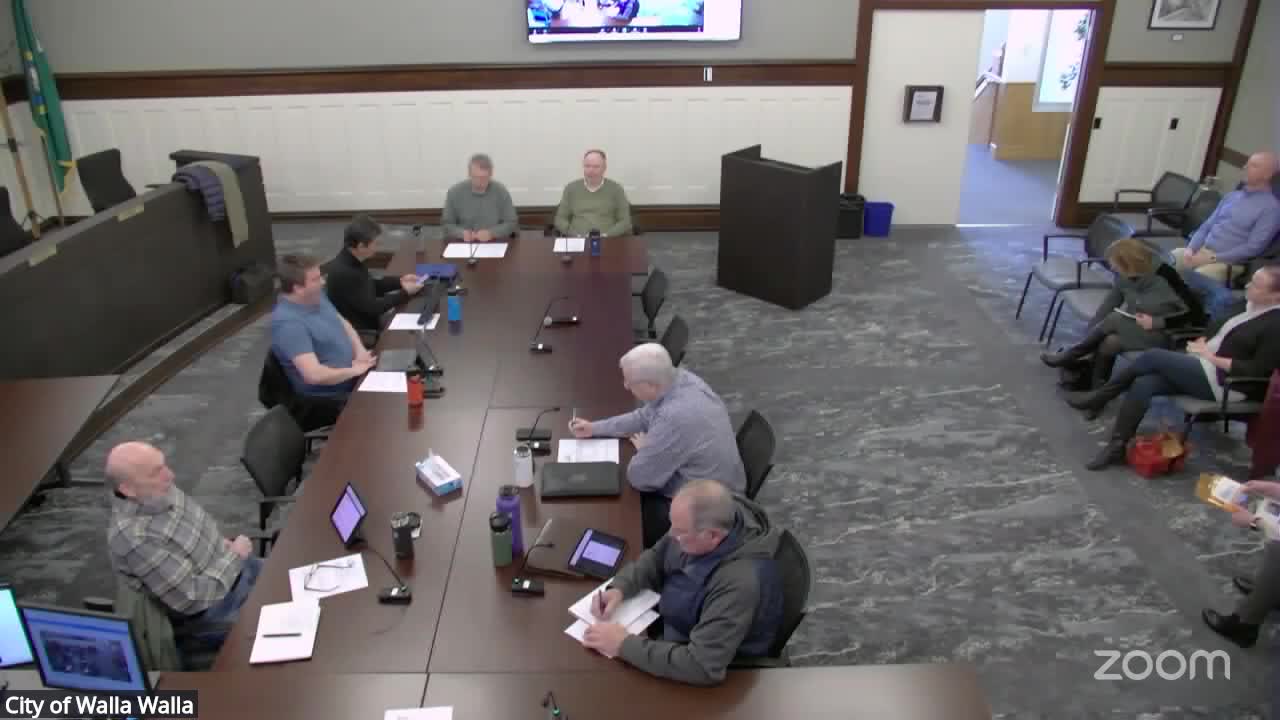
Walla Walla — At a Walla Walla City Council work session on Monday, Feb. 10, library representatives and the project's architects gave council members an update on schematic designs for a renovation of the 55‑year‑old Walla Walla Public Library and outlined a capital campaign to pay for the work.
Walla Walla — At a Walla Walla City Council work session on Monday, Feb. 10, library representatives and the project's architects gave council members an update on schematic designs for a renovation of the 55‑year‑old Walla Walla Public Library and outlined a capital campaign to pay for the work.
Heather Preston, library staff, opened the presentation: “Thank you. We're super excited to be here tonight to give you an update on the library renovation project.” The architects from Building Work showed plans that center on a new, highly visible entry called the “Great Hall,” interior reconfiguration to move staff work areas to one side, seismic and envelope upgrades, and building‑wide systems improvements.
The project team said the library is in the schematic‑design phase and aims to complete design and documentation roughly one year from now, with a target grand reopening in early 2027. Kate Weiland, a partner at Building Work, told the council she has worked on more than 20 libraries in Washington and that the schematic work will be refined in the months ahead. “We are relatively early in the overall process,” she said, and the team asked the council to expect more detailed design development and community input before final decisions.
Why it matters: the presentation framed the project as both a safety and program upgrade. Architects proposed a full seismic retrofit and said the existing unreinforced masonry and single‑pane windows need replacement. The team also proposed adding windows and daylighting, a larger flexible program room, consolidated staff space with daylight, updated HVAC and data infrastructure, and new accessible single‑stall restrooms near the main entry.
Funding and timeline: campaign representatives said the overall project budget is $16 million and that the campaign has raised 62% of the goal to date, leaving about $6 million to raise. Rebecca Zanotta, representing the campaign team, said the group is working with the Blue Mountain Community Foundation as fiscal sponsor and has refreshed grant research and donor outreach. The campaign’s near‑term schedule includes stakeholder meetings and two public engagement events on March 6 — a donors/connectors session from 8:30 a.m. to 10 a.m. and a public open house from 5:30 p.m. to 7 p.m. The team told council it is aiming to have roughly 90% of the needed funds committed by March 2026 before authorizing construction.
Design and operations details: architects described the planned Great Hall as glassy and civic in scale, with sliding glass partitions to allow programs to open into larger spaces. The team said they plan to replace single‑pane windows, add insulation and roof upgrades, and move to heat‑pump technology. In response to council questions about energy and acoustics, designers said they expect the renovated building to perform about 40% better on energy envelopes than the current building and described plans for higher‑performance glazing, exterior shading and acoustic ceilings and partitions in busy zones.
Community engagement and next steps: campaign staff said they are building a donor prospect list, meeting individually with council members and local stakeholders, and forming a steering/ campaign committee. Amy Watkins, the campaign fundraising manager, described door‑to‑door outreach, small donor prospects and grant applications as part of the funding mix. The project team emphasized that construction would not begin until the bulk of funds are committed and that the council would be involved in decisions about timing and any city contribution or financing options.
Council response: council members generally praised the design concept and asked questions about energy, acoustics, staffing impacts and cost‑risk if fundraising falls short. Several members requested follow‑up briefings and individual meetings with the campaign team before the community open house.
The library team left the council with materials and a draft case statement and planned to return for further engagement; no formal council action or vote was taken at the Feb. 10 work session.