Committee debates bill to scale up distributed power plants; utilities and industry split on third‑party aggregators
Summary
House Bill 3609 would require electric companies to develop distributed power plant programs that aggregate customer‑owned resources to provide grid services; proponents told the committee the approach can quickly add capacity and lower costs, while Portland General Electric warned the bill would prioritize third‑party aggregators over customers and risk added system costs.
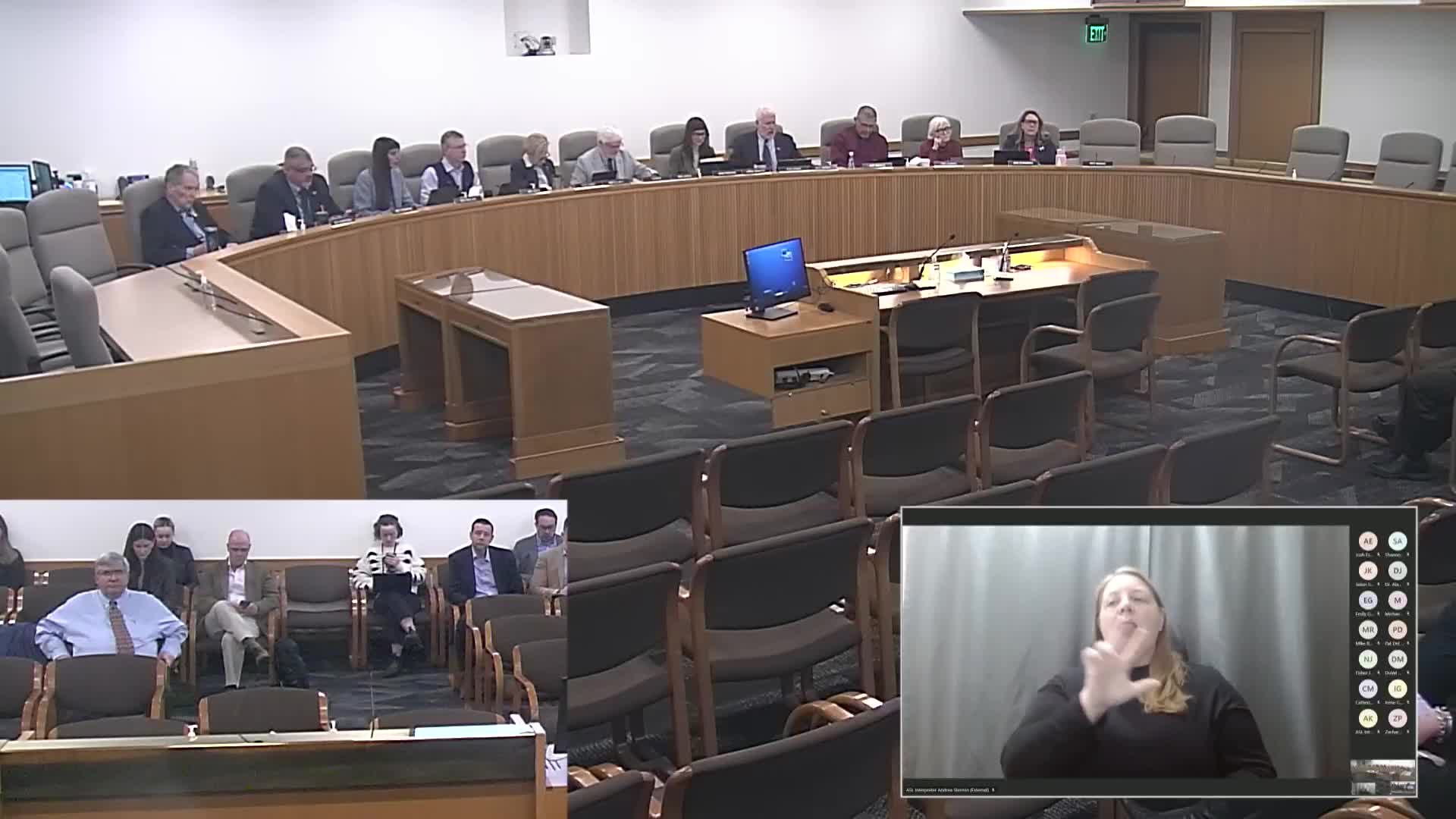
House Bill 3609, presented March 11 to the House Climate, Energy and Environment Committee, would require electric companies to develop and file distributed power plant (virtual power plant) programs with the Oregon Public Utility Commission. Supporters said the programs use customer‑owned resources – rooftop solar, batteries, smart thermostats and electric vehicles – to provide grid services and reduce peak demand.
“Distributed power plants are the only resource with the potential to provide resource adequacy at a negative net cost to society,” Shannon Anderson of Solar United Neighbors Action told the panel, citing Brattle Group analysis.
Angela Crowley Cook, executive director of the Oregon Solar and Storage Industries Association (OSEA), said utilities in Oregon have pilot programs and third‑party aggregators can scale enrollment and reduce utility administrative costs.
Opposition from Portland General Electric
Jason Salmi Klas, senior manager of strategy and planning at Portland General Electric (PGE), said PGE is developing its own virtual power plant (VPP) and that HB 3609 “represents significant risk to customer protection, increases utility system costs, and undermines sound regulatory practices.”
“This bill prioritizes aggregators over customers,” Salmi Klas said, and it “mandates aggregator compensation without requiring customer compensation.” He argued third‑party aggregators lack regulatory oversight and that separate markets for distributed energy resources (DERs) in other states, notably California, had integration problems.
Supporters’ case
Advocates said distributed power plants can be deployed quickly, defer costly transmission upgrades and provide customer bill savings. Shannon Anderson highlighted examples in California and New England where aggregators have coordinated thousands of residential batteries and solar systems to provide capacity during peak demand.
“Third party aggregators can help distributed energy resources like battery storage become more affordable and available through financing arrangements for customers,” Anderson said.
Committee questions and clarifications
Representative Levy asked whether the bill would apply to electric cooperatives; Angela Crowley Cook replied the bill’s program would be administered by the Public Utility Commission and target investor‑owned utilities, not co‑ops. Lawmakers and witnesses discussed pilot timelines, customer protections, and how to define compensation and dispatch rules.
PGE responses and concerns about pilots
PGE acknowledged it has run pilots for several years but said many only recently became cost‑effective and that the utility is expanding programs and investing in distribution system capabilities. PGE warned that codifying rigid dispatch parameters, penalties and a compensation framework in statute could limit operators’ flexibility and fragment DER management across too many parties.
No committee action on HB 3609 was recorded in the hearing record; the committee closed the hearing and moved to the next bill.