
Committee advances bill to increase Medicaid reimbursements for independent rural providers
Get AI-powered insights, summaries, and transcripts
Subscribe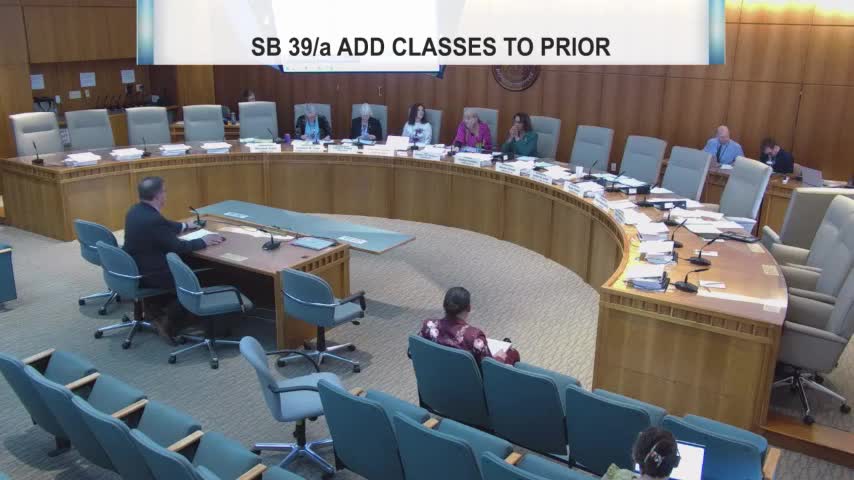
Summary
HB562 would create targeted Medicaid reimbursement increases for independent rural health-care providers; proponents said the change would support small practices in areas with declining provider capacity, and the committee gave the bill a due pass.
Members advanced House Bill 562, a proposal to increase Medicaid reimbursements for independent rural health-care providers.
Sponsor testimony argued the bill would help small, independent and rural providers cope with high overhead and falling Medicare rates, and that targeted state reimbursement changes would strengthen access in underserved communities. Mike McMillan of Southwest Bone and Joint Institute and Carrie Robin Bruder of the New Mexico Medical Society testified in support, saying rural providers need revenue to sustain services and that previous Medicaid increases targeted to maternal, primary care and behavioral health did not cover all rural providers.
The bill’s author said the definition of eligible independent rural providers aligns with existing health-care delivery fund rules and typically targets counties with populations of 100,000 or fewer, but committee members asked for clearer statutory definitions and details of payment differentials.
Committee members moved a due-pass recommendation for the bill and recorded a 6–0 do-pass on the motion. Sponsors said appropriations and technical definitions would be worked out in subsequent committee consideration.