
Committee approves defamation bill requiring publishers to remove or correct false material on their websites
Get AI-powered insights, summaries, and transcripts
Sign Up Free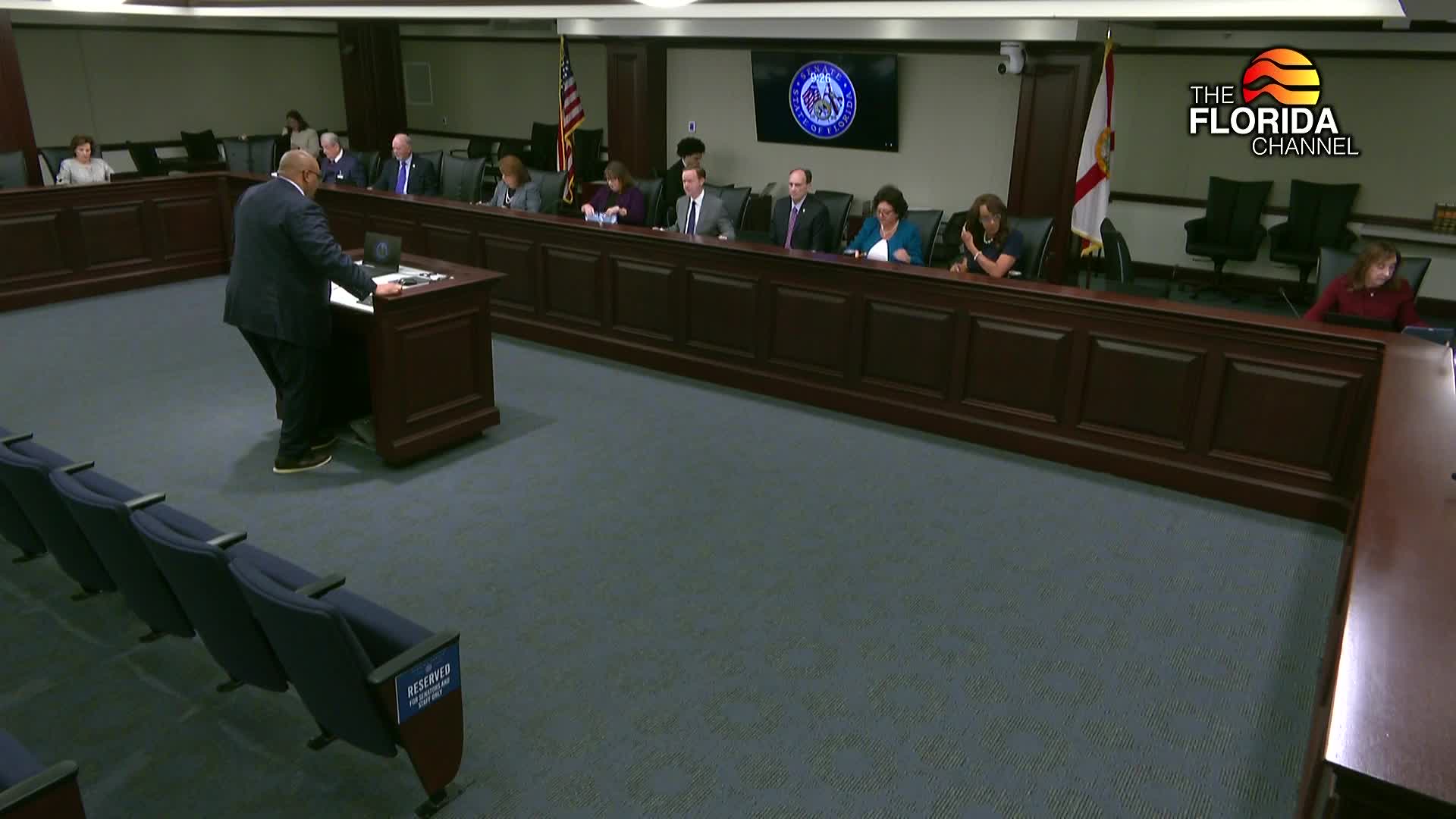
Summary
CS for SB 752 passed after a contested hearing. Sponsor said the measure narrows existing privileges by requiring news publishers to remove or correct material from their own websites when they learn it is false; press groups warned of vagueness and First Amendment risks.
TALLAHASSEE — The Judiciary Committee reported CS for Senate Bill 752 favorably after hours of testimony and questions about how the bill would affect publishers and online speech.
Sponsor Senator Simon told the committee the bill would require a newspaper or television station that posts a story to its website to remove or update the publisher’s own page if it later learns the story is untrue — for example because of a court decision or newly discovered facts — or lose the fair‑reporting privilege that would otherwise protect it. The late amendment narrowed the bill to require removal from the publisher’s website rather than “the Internet” generally.
Why it matters: The bill addresses cases in which false reports remain discoverable online long after courts have corrected the record. Barry Richard, who requested the bill after representing a client whose on‑air arrest coverage remained online despite an acquittal and jury verdict in his favor, said the persistent online placement has lasting reputational and economic harms.
Press advocates urged caution. Sam Morley of the Florida Press Association told the committee that the better practice is to append a correction rather than delete the original reporting and that the bill’s standard that removal be required where a “reasonable person” could be convinced by supplied facts is vague and likely to spawn litigation. Opponents warned the measure could chill fair‑reporting or eliminate the long‑standing fair‑report privilege for accurate reports of public government proceedings.
Senators debated whether the bill would require removal when the underlying events objectively occurred — for example, an accurate report that someone was arrested but later acquitted — and how the proposed standard would apply. The sponsor said the bill targets knowingly false or demonstrably false reporting and that publishers who correct will retain defenses.
The committee adopted a late amendment restricting the obligation to the publisher’s own website and then voted to report the bill favorably (8 yeas, 2 nays).
Ending: The bill will proceed to further consideration; supporters argued it gives victims a narrow remedy for online reputational harm, while press groups warned it risks First Amendment and evidentiary consequences (vote on CS for SB 752: 8–2).