
Bill would create specialized timeshare sales license to address workforce and consumer protections
Get AI-powered insights, summaries, and transcripts
Subscribe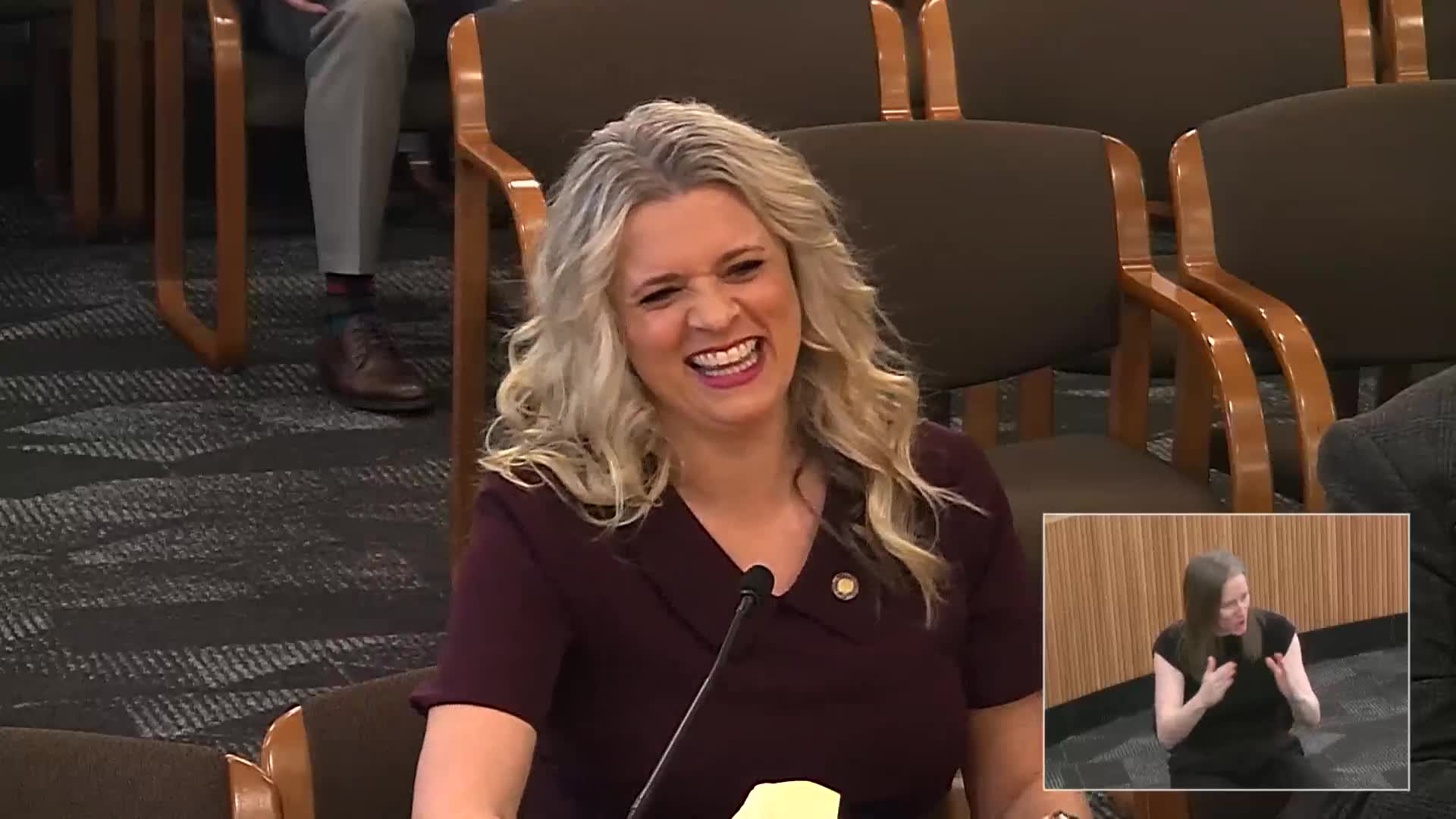
Summary
Representative Shelley Bossert Davis told the Senate committee House Bill 2373A would let the Oregon Real Estate Agency establish a timeshare sales license, including targeted prelicensing education, a test, and continuing education; supporters said the change addresses coastal labor shortages and consumer protection gaps.
Representative Shelley Bossert Davis told the Senate Committee on Labor and Business that House Bill 2373A would create a specialized timeshare sales-agent license and require the Oregon Real Estate Agency to adopt rules for prelicense course content, a license exam, and continuing education specific to timeshare sales. "Currently, Oregon law requires a full real estate license to sell timeshares... the existing real estate education and licensing process does not adequately address timeshare specific knowledge," Bossert Davis said.
Bossert Davis said the license would remain under the supervision of principal real estate brokers and that license fees would cover agency costs. "Importantly, timeshare sales agents will remain under the supervision of principal real estate brokers, maintaining professional oversight," she said, and characterized the bill as a workforce development measure that could create middle‑class jobs, especially in coastal communities.
Sean Gillians, representing the American Resort Development Association, said the trade association strongly supports the bill and was available to answer committee questions. Gillians said a full exemption permitting owners to sell their own timeshare would remain in place.
Committee members asked about how the Oregon Real Estate Agency’s licensing database works. Counsel for proponents said the agency’s system permits only one license category per person in the current software; as a result an agent would hold either the specialized timeshare license or a full real estate license but not both simultaneously. The witness attributed that limitation to the agency’s current software design and noted the agency had declined to allow dual licenses in the system.
The committee held a public hearing; no committee vote was taken during the April 17 session. Sponsors said the bill passed the House unanimously and proponents urged the Senate committee’s support.