
Draft THC economic-impact study finds heritage sites generate nearly $20 billion in output over five years
Get AI-powered insights, summaries, and transcripts
Subscribe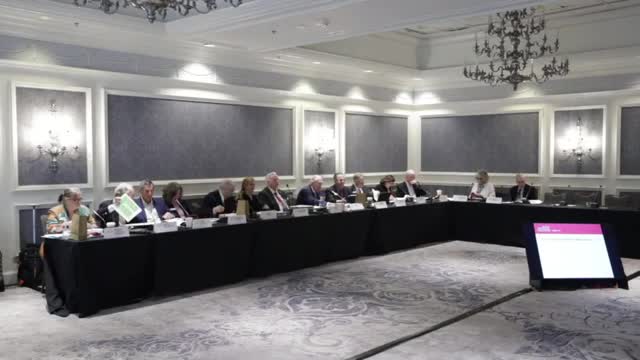
Summary
A draft economic impact report presented to the Texas Historical Commission estimates that THC-managed sites and affiliated trail-region activities generate about $20 billion in economic output over five years, create roughly 33,000 jobs and produce more than $100 million in state tax revenues, driven primarily by tourism.
The Texas Historical Commission on April 23 received a draft economic-impact report prepared by Gallagher Associates that quantifies the financial contribution of THC historic sites and affiliated heritage-trail activities.
Key findings (draft) - Aggregate economic output over five years (all THC sites analyzed): approximately $20 billion. - Jobs created (construction, operations and tourism combined): roughly 33,000. - State tax revenue from related activity over the study period: approximately $120 million (largely sales tax receipts associated with tourism spending). - Annual visitors to the sampled THC sites: about 3.4 million (aggregate figure across the sites included in the study).
Methodology overview Consultants said they used industry-standard input-output modeling (IMPLAN) and THC-provided direct inputs (annual operating budgets, visitor counts, construction and staffing data) to calculate direct, indirect and induced economic impacts. The study aggregated site-level results into THC-defined heritage trails and presented both trail-level and statewide summaries.
What staff and commissioners said Commissioners and staff discussed ways the report could be used for legislative outreach, local advocacy and partner communications. Several commissioners urged making tailored, shareable materials that local communities and Main Street partners can use when seeking support from city councils or chambers of commerce.
Caveats and next steps The study presented to commissioners was a draft; staff and commissioners discussed distribution and finalization. Consultants said trail-level and site-level breakdowns are available and can be used to produce targeted summaries for partners and local officials. THC communications and program staff said they will work with consultants to finalize the report and produce shorthand materials and one-page sell sheets for partner use.
Ending note Commission leadership described the study as timely for legislative and funding conversations and encouraged rapid finalization and distribution of user-friendly materials for local heritage-trail directors and site managers.