
District and CCA discuss compensation structure, classroom-site funds and incentives
Get AI-powered insights, summaries, and transcripts
Subscribe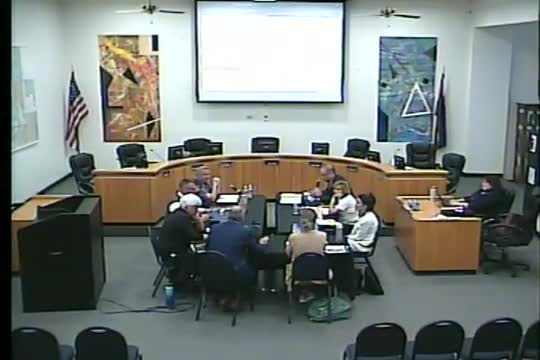
Summary
Cabinet members and district representatives updated the board on ongoing talks with CCA (the teachers' association) covering pay structure, classroom-site funds, incentives for continuing education and evaluation cycles. The district described trade-offs between base pay and stipends tied to variable state funding.
Cabinet members briefed the board on ongoing discussions with the Cave Creek Education Association (CCA) and on internal work to explore teacher compensation, use of classroom-site funds and training requirements.
Dr. Hendrickson said the district is reviewing long-standing salary-step incentives tied to coursework—credit movements that historically increased pay every eight credits—and noted the district has not adjusted those increments in over a decade. The board discussed whether to increase incentives for staff to pursue further graduate credits and how classroom-site funds might be used to augment teacher compensation.
Dr. Plutnick (CFO) explained that classroom-site funds and the Instructional Improvement Fund are restricted by statute and that districts have discretion about whether to distribute some funds as one-time stipends or to build them into base pay. He said the district has favored one-time stipends for funds that fluctuate so the district does not lock in recurring salary obligations if state or other revenue drops.
Dr. Hendrickson and Dr. Plutnick told board members the district will make the final payment of a multi-year one-time stipend the governor provided two to three years ago; the third installment will be paid this fall to eligible teachers who were employed in the referenced school year and who returned to the district.
Board members raised other items on the IBM/CCA agenda: evaluation-cycle requirements and workload for mandatory annual trainings, possible incentives for teachers to earn dual-enrollment certification, and how substitute teachers should be included in mandatory-reporting training. Superintendent Dolezal said a proposal for a stipend for teachers who teach dual-enrollment courses will be presented at the May board meeting.
The board received the update and asked staff to continue discussions with CCA and to return with specific proposals and analysis.