
City approves reimbursement agreement to keep temporary Lexington Inn housing through June; state funding, county grants cited
Get AI-powered insights, summaries, and transcripts
Subscribe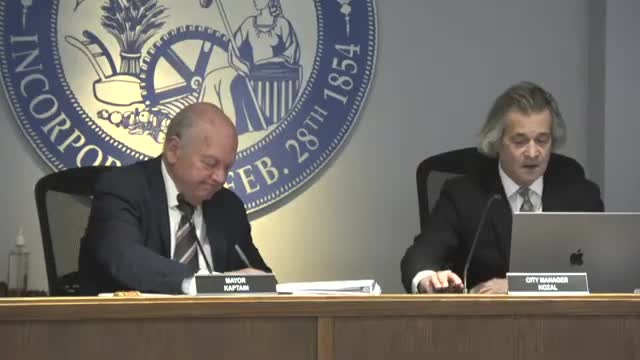
Summary
Elgin approved a reimbursement agreement with the Association for Individual Development to allow the city to be reimbursed up to $418,600 in state funds for case management and services at the Lexington Inn; city staff said roughly 39 people remained housed and further county or city funds could extend operations into fall 2025.
The Elgin City Council voted unanimously to approve a reimbursement agreement with the Association for Individual Development (AID) to allow the city to be reimbursed from state funds for hotel‑based housing and case management at the Lexington Inn and Suites.
Lede: The council approved a reimbursement agreement that allows the city to be reimbursed for up to $418,600 from state funding for services provided through the Elgin unsheltered pilot program at the Lexington Inn and Suites; city staff said 39 individuals remained housed under the arrangement.
Nut graf: The funding will continue case management — including Medicaid enrollment assistance, housing applications and mental‑health supports — overseen by AID as the city works to sustain services initiated after a January tent‑camp relocation. City staff said the reimbursement covers state‑allocated funding through June 30; Kane County grant funds and previously allocated city funds could extend operations into fall 2025 if needed.
Details: City staff described the city’s earlier emergency relocation of residents from an encampment to the Lexington Inn and Suites and explained that the Illinois‑funded pilot program designates AID as the lead agency for services and case management. During council discussion, Councilman Steffen asked about the city’s remaining homeless allocation balance; staff said the memorandum referenced an earlier council approval and estimated remaining city funds were closer to $600,000 but that staff would provide a precise figure on request.
Council action: The motion to approve the reimbursement agreement passed 9–0. City staff noted the time frame depended on program participation and that the city could draw on Kane County grant funding and earlier municipal allocations if additional support beyond the state funds was required.
Community context: Public commenters earlier in the meeting had urged careful consideration about long‑term siting of temporary housing at the Lexington Inn because the speaker cited higher local police call volumes compared with other motels; that public comment framed the council’s discussion about the duration and oversight of placements.
Ending: The reimbursement agreement preserves the city’s ability to recover state program expenses through June 30 and gives staff a mechanism to continue partnering with AID for case management while staff provide the council with more detailed budget‑balance information on request.