
Lawmakers at local club warn of initiative-driven policy changes, outline next steps on education lawsuit
Get AI-powered insights, summaries, and transcripts
Subscribe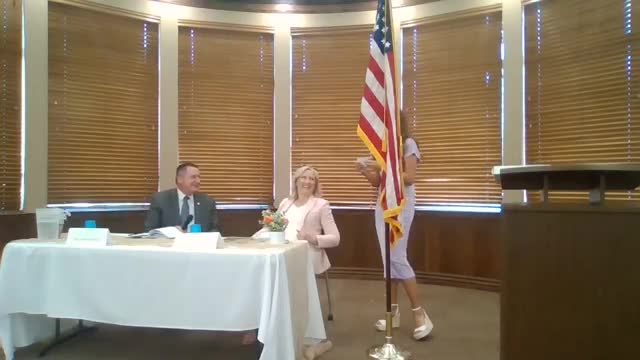
Summary
At a Washington County Republican Women meeting, state legislators discussed concerns about ballot initiatives and the initiative process (including a failed 'Amendment D' effort), cited legislative audits of voter rolls, and described plans to appeal a judicial decision related to a scholarship program called "Utah Fits All."
State legislators who spoke at the Washington County Republican Women meeting urged members to remain engaged on election and education issues and described next steps after recent court and audit developments.
Representative Carrie Ann Lisenby and other legislators discussed the initiative and referendum process, saying a proposed constitutional change known in the meeting as “Amendment D” was designed to limit outside initiatives from overriding legislative authority. Speakers argued the initiative process can produce laws approved by a minority of registered voters and cited three 2018 initiatives (medical marijuana, Medicaid expansion, and boundary changes) as examples.
Legislators referenced two Office of Legislative Auditor General (OLAG) election audits released in late 2024 and said the audits found maintenance problems on voter rolls; one claim cited in the meeting was that about 1,400 deceased registrants remained on rolls as of December 2024. Speakers also said the audits raised other questions about registration and verification processes.
On education, lawmakers described a pending judicial matter affecting a scholarship program called Utah Fits All. A speaker said a judge issued an initial decision that raised questions about the legislature’s authority to create programs that do not serve every school-aged child; the legislators said they plan to appeal the final decision, expecting to pursue appeals-court review and ultimately a state supreme court decision if necessary.
Why it matters: speakers argued initiative-driven lawmaking and certain judicial rulings can limit legislative flexibility and affect programs such as targeted scholarship and education initiatives. They urged members to apply for scholarship programs, follow legal developments and engage in confirmation or election processes for judges.
What was proposed: legislators described a plan to appeal the court decision on Utah Fits All as soon as the final decision is issued and to continue legislative work to improve information available to voters about judges and judicial retention elections.
Ending: the group was asked to follow upcoming county and state election events, and the legislators encouraged civic participation in the processes they described.