
Senate tightens oversight of nursing programs, shortens probation window and adds penalties after low NCLEX rates
Get AI-powered insights, summaries, and transcripts
Subscribe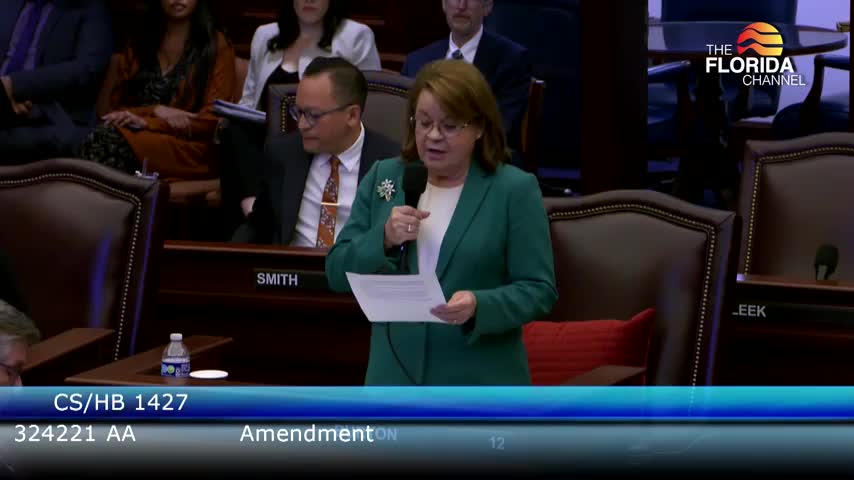
Summary
The Senate concurred with a House amendment that increases oversight of nursing education programs, lowers probation timelines, requires remediation and allows the Board of Nursing to deny programs tied to adverse actions elsewhere. The change passed 26-5 amid debate over penalties and enforcement.
The Senate on Friday agreed to a House amendment strengthening oversight of nursing education programs, a response to persistently low NCLEX pass rates in Florida. The amendment narrows probation timelines, requires standardized exit exams and remediation, and authorizes the Board of Nursing and the Department of Health to take stronger enforcement actions. The Senate voted 26-5 to concur.
What changed
- Probation timeline and enforcement: The amendment reduces the number of consecutive years a nursing program can fail to meet statutory requirements before being placed on probation from two years to one year, and reduces the maximum probation period from up to three years to two years.
- Exit exam and remediation: Programs must adopt a comprehensive exit exam aligned to NCLEX preparation and provide remediation plans for candidates.
- Adverse actions and approvals: The Board of Nursing may consider adverse actions taken by another U.S. regulatory jurisdiction when approving a program and may deny applications if the program or its owners were previously subject to termination or revocation elsewhere.
- Financial remedy for students: The amendment includes a remediation aimed at students: "If an approved program's graduation rate is below 30 percent in a calendar year, the program must reimburse the total cost of tuition and fees paid by each student who failed to pass NCLEX as a first time test taker in that calendar year," Senator Burton said while explaining the amendment.
Debate and concerns
Supporters, including Senator Harrell and Senator Burton, argued the change is necessary to address Florida's low first-time NCLEX pass rates and to protect students from programs that do not prepare graduates for licensure. Opponents warned the amendment is punitive and could discourage program directors from serving, and said some measures risk duplicating existing oversight by the Commission for Independent Education.
Legal and operational details
The amendment authorizes on-site inspections by the Department of Health and allows the Board of Nursing to consider adverse actions from other jurisdictions when reviewing program approvals. Senate floor exchanges clarified that the penalties are administrative (probation, fines, discipline) and not criminal.
Outcome
The Senate concurred in the House amendment 26-5. Supporters called the amendment a necessary step to hold programs accountable and improve NCLEX outcomes; opponents urged caution about timelines and enforcement mechanics. The measure will proceed to the House for final action or conference discussions.