
Panel hears proposal to bar civil suits after acquittal or no-bill in self-defense cases
Get AI-powered insights, summaries, and transcripts
Subscribe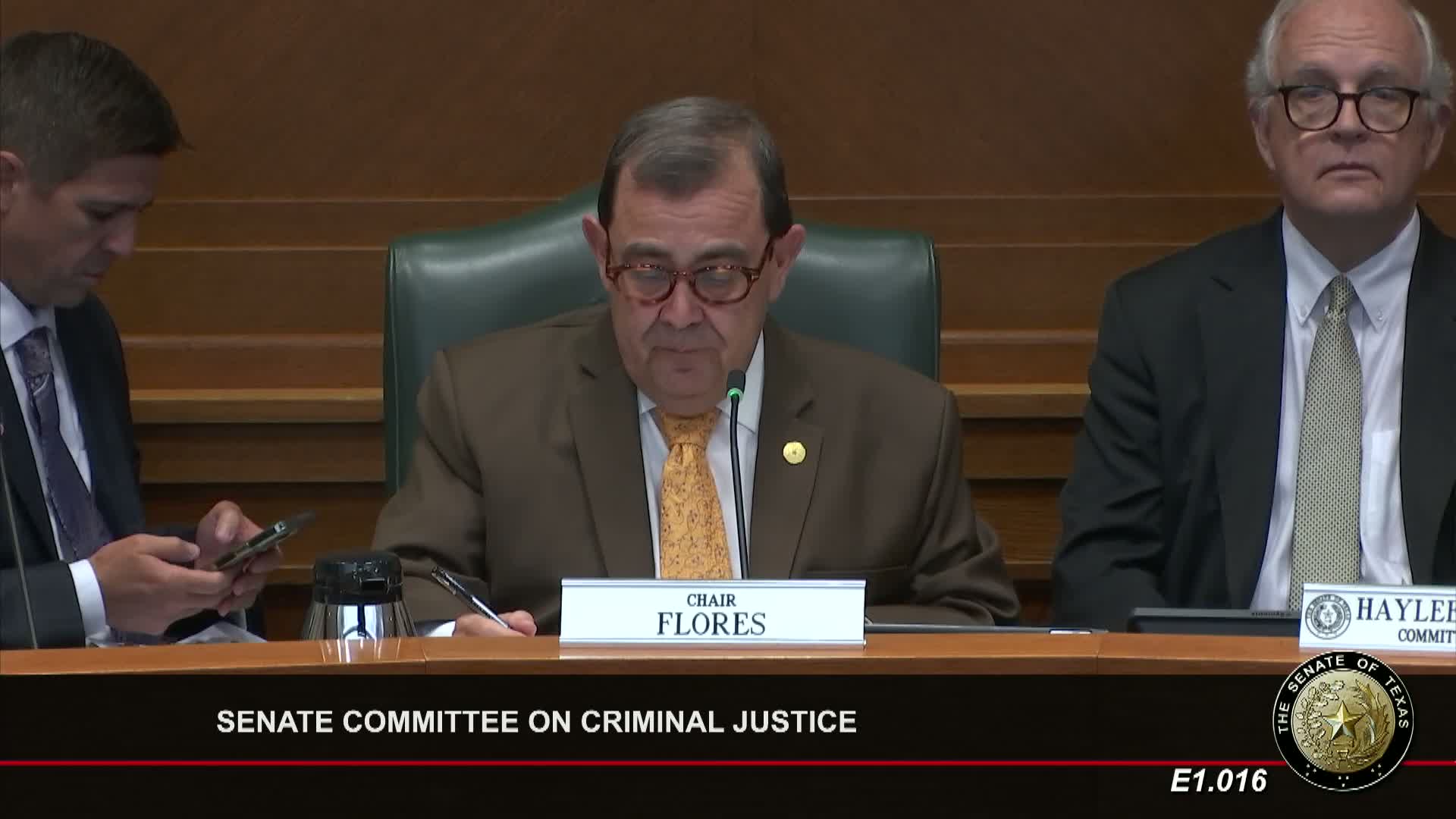
Summary
Senator Hall explained a bill that would bar civil damages for personal injury or death when criminal proceedings resulted in no indictment, dismissal, or acquittal; supporters said protracted civil suits impose severe burdens on defendants.
Senator Hall told the committee Senate Bill 17 30 would prevent civil damages claims for personal injury or death arising from a defendant's use of force or deadly force if criminal proceedings ended in a no-bill, dismissal or acquittal.
Hall framed the bill as a civil companion to Texas’s castle doctrine, saying defendants who are cleared criminally still face lengthy and expensive civil litigation that can impose severe financial and emotional burdens. “This legal gap leaves defendants vulnerable to excessive litigation and financial strain,” Hall said.
Several witnesses supported the bill. Kyle Carruth testified he had gone through a special grand jury no-bill and still faced a $51 million civil suit that he said cost him more than $500,000 in legal fees. Richard Hayes, an attorney with Walker & Taylor, testified on behalf of Gun Owners of America in favor of the measure and cited Chapter 83 of the Civil Practice and Remedies Code and Chapter 9 defenses as background for the proposed change.
Senators asked several questions about the bill’s scope. Senator Hinojosa confirmed the sponsor intended the measure for private individuals acting in their homes, not officers acting in their official capacity; Hall said the bill would apply on the civil side to anyone acting in self-defense at home, including an off-duty officer.
The committee did not take a final vote that day; later in the hearing record the committee reported SB 17 30 out with a favorable recommendation to the full Senate.