Bear River Health District warns federal-contract cuts could slash local programs
Loading...
Summary
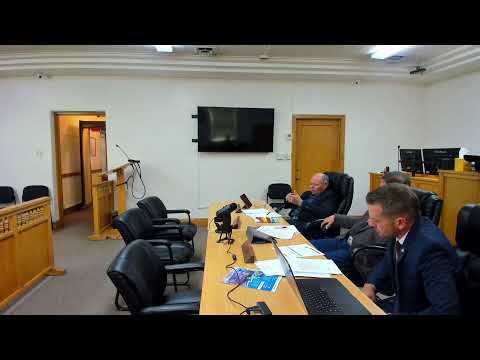
Bear River Health District officials told the Rich County Commission that roughly two-thirds of the district’s revenue comes from contracts and that proposed federal budget cuts could eliminate prevention and preparedness programs, prompting contingency planning.
The Bear River Health District told the Rich County Commission that about 65% of its revenues come from contracts and that a proposed roughly 40% reduction in federal contract funding could force deep cuts to prevention and preparedness programs.
Health Department staff told commissioners the county tax contribution accounts for roughly 12% of their revenue and two small pots of state money also support operations. The presenter said, “65% of our revenues come from contracts.” Staff said the department has already absorbed pandemic-era reductions — losing about $1 million in COVID funding and eliminating 10 positions — and estimated cuts tied to the president’s proposed budget could total about $1.6 million.
The district’s presenter said the proposed cuts would affect prevention programs that are harder to quantify in immediate savings but that produce long-term benefits. “We’re looking at some of our injury prevention or diabetes… the entire emergency preparedness,” the presenter said, noting that an emergency preparedness program that coordinates with county emergency managers could be eliminated; staff described that program as roughly $500,000. The presenter also said some SAMHSA prevention dollars and a $50,000 harm‑reduction award (needle-exchange–type services) are at risk.
Commissioners asked whether contract revenue is federal, state or local; staff clarified it is a mixture and said the district will “monitor the federal situation” and track whether cuts would be absorbed via workforce reductions or by eliminating pass-through grants to local partners. Staff said they are preparing contingency plans so the district “won’t be caught flat footed.”
The presenter highlighted other items in the district’s annual report, including local public-health gains from county opioid-settlement and tobacco-settlement dollars, the expansion of WIC to a preloaded card to reduce barriers in rural areas, and a youth governing council that helped prompt passage of House Bill 128 to expand youth access to tobacco and nicotine cessation services. The presenter also noted the Garden City office has regained authorization to provide in‑person counseling two days a month following a licensure lapse during the pandemic.
Why it matters: Bear River’s contract-dependent revenue model means federal and state funding decisions could quickly change services available in Rich County and other district communities. Commissioners asked staff to follow the federal budget process and report back as details are finalized.
Details and context: Staff said the district tracks program-level outcomes (for example, 85% of diabetes‑prevention participants reported sustaining dietary changes during a yearlong program). Staff also reported the district has helped create seven new local coalitions in Northern Utah through prevention funding and that Heather Olson has formed one such coalition in Rich County.
The health district did not seek any formal action from the commission at this meeting; staff asked that commissioners be prepared for follow-up reports and possible requests if funding changes are finalized.