
Alpine panel reviews 2025–26 hotel-occupancy-tax grant applications; some applications held or ruled ineligible
Get AI-powered insights, summaries, and transcripts
Subscribe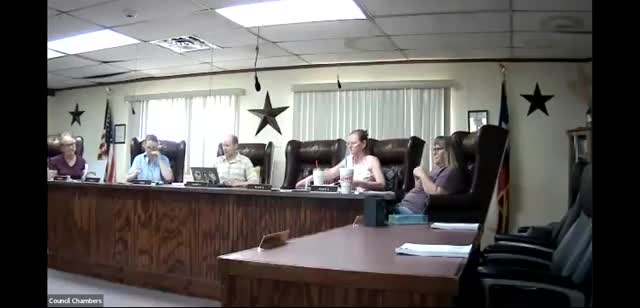
Summary
At a meeting held Oct. 11, 2025, AlpineHotel Occupancy Tax grant reviewers scored about two dozen event and promotion applications, postponed review of one incomplete application and ruled another ineligible under the statutory categories that govern HOT spending.
AlpineHotel Occupancy Tax grant reviewers met Oct. 11 to score 2025and 2026 grant applications and to sort out several incomplete or ineligible requests. The panel completed scoring of most applicants and sent remaining questions and follow-ups to staff for next-week action.
The meeting matters because hotel-occupancy-tax (HOT) grants are the cityprimary tool for subsidizing events and marketing meant to drive tourist hotel stays and local sales tax revenue. Awards decide which festivals, rodeos, sports tournaments and promotion programs will receive city support in the coming year.
Meeting staff and panelists described the scoring procedure and legal limits that shaped eligibility. "The hotel occupancy tax has 9 different categories that the legislature identified that it could be used," the meeting facilitator said, explaining that projects must fit one of those categories to qualify. Reviewers rate each application 1 to 10 on multiple criteria; a weighted spreadsheet produces a performance score and optional extra-credit (innovation) points. The facilitator emphasized the panel may fund applications that score lower if members judge them to be in Alpine's best interest: "Those weights are the city's opinion about what's important ... it's just a tool," the facilitator said.
Not all applications were eligible or complete. The panel postponed scoring for the Sol Ross Rodeo after staff learned the full application packet had not been received; the facilitator said they would "talk to Megan next week and see if we can work that out so that next week you guys can look at that one." The panel also determined the Cow Dogs application could not be considered because it lacked required attachments and, more importantly, did not fit any of the nine statutory categories for HOT spending: "it's not something that we can legally fund," the facilitator said.
Panel members scored a long list of applicants during the session. The Big Bend Film Commission was discussed as an example of how HOT programs can leverage lodging-related rebates: "we rebated them the full 10,000 that we had budgeted," the facilitator said of a past film project, noting productions can generate substantial local spending but that outcomes are not guaranteed. Committee members repeatedly noted the difference between scoring (an evaluative tool) and the separate budget-allocation meeting next week, when specific dollar awards will be decided.
Throughout the meeting reviewers pressed for clearer budgets and revenue breakdowns for several applicants. Panelists flagged line items they said looked unusually large (advertising budgets of $10,000 or more for small events were cited) and requested staff follow up to confirm whether promised in-kind support or donated services were reflected correctly in applications. Several applicants reported varying estimates of out-of-town attendance; where numbers were unspecific panelists requested clearer, evidence-based attendance or marketing plans.
The panel also observed routine process safeguards: members who were affiliated with an applicant (for example, the reviewer associated with the Big Bend Film Commission) did not score their own application. The facilitators reiterated that next week's meeting will present the scored totals alongside requested dollar amounts so the panel can make funding trade-offs within the available HOT budget.
The meeting adjourned after roughly two hours and 30 minutes of review. Staff were assigned to follow up on the Sol Ross Rodeo packet, to confirm in-kind or co-funding commitments noted in multiple applications, and to prepare the spreadsheet of totals and budget scenarios for the committee's allocation meeting the following week.
Less-urgent items carried forward included verification of some applicants' revenue-source percentages and clarifications about whether certain projects (mobile kitchens, nonprofit fundraisers, or equipment purchases) fit the legislative categories governing HOT funds. The facilitator closed the session by reminding members that the scoring tool is a guide, and that final funding decisions will be made during the budget-allocation meeting next week.