Public raises concerns about TIFs, URAs and metro district subsidies; council asks for more reporting
Get AI-powered insights, summaries, and transcripts
Sign Up Free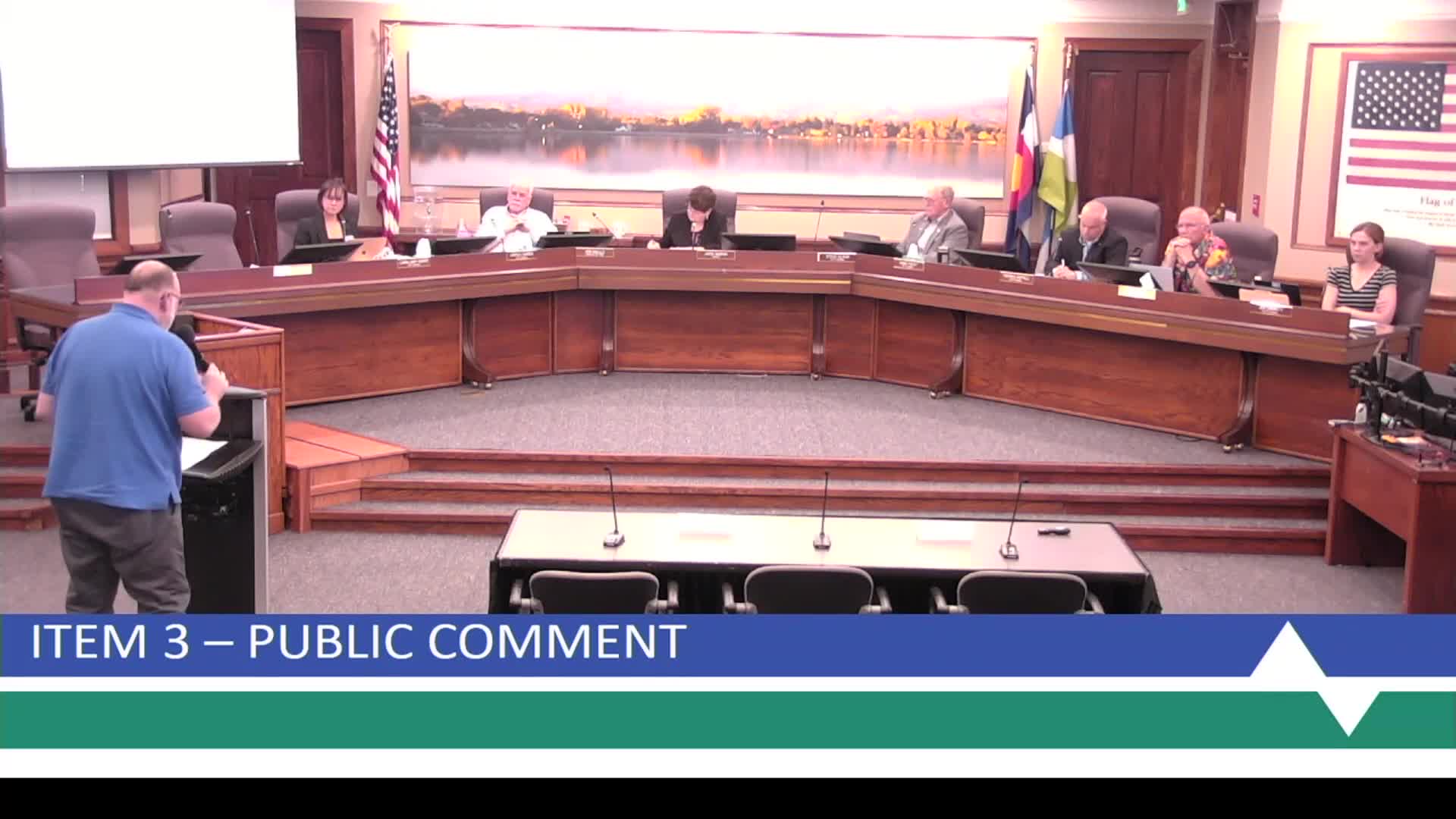
Summary
Multiple speakers urged the council to increase transparency about tax increment financing (TIF)/URAs, metro district subsidies and the Hip Streets project; council requested additional reporting on TIF performance and a staff briefing on those financing arrangements.
During public comment at the May 20 Loveland City Council meeting, several residents criticized the city’s use of tax‑increment‑type mechanisms, metro districts and Urban Renewal/ Downtown Development Authority (DDA/URA) financing and asked for clearer reporting on performance and risk.
Troy Daniels (Ward 3) said metro districts have eroded trust and that new metro districts shift long‑term debt and service obligations to homeowners, warning that developers can benefit while taxpayers bear risk. “We have city councilors using terms like caveat emptor,” Daniels said, and he asked the council to scrutinize future metro district approvals.
Several commenters pressed the council about the Hip Streets project and payments tied to the Downtown Development Authority. Agatha Chastain described the Downtown Development Authority’s long‑term taxing arrangements and the risk that 100% tax‑tapping can continue for many decades; other speakers called for TIF performance reporting. Connie Luke asked that TIF performance and forecast‑to‑actual reporting be included in the city’s quarterly financial review so the public can see net impacts to the general fund and project‑level underperformance.
Council response: Councilor Samson asked staff to prepare a deeper briefing on TIFs and similar arrangements after members of the public raised concerns. Staff said the Q1 financial report schedule did not allow time to include a full TIF briefing in that packet, but offered to prepare additional reporting per council request.
Why this matters: Citizens argued that long‑running tax increment arrangements and metro district structures can reduce revenue to the general fund and transfer risk to residents; they urged regular, transparent reporting to restore confidence.
Next steps: Council asked staff to prepare additional materials on the city’s TIF/URA and metro district arrangements for council consideration, and some councilors indicated interest in a formal briefing or scheduled discussion in a future meeting.