
Montpelier council sets cautious plan for 1% local-option sales tax receipts
Get AI-powered insights, summaries, and transcripts
Subscribe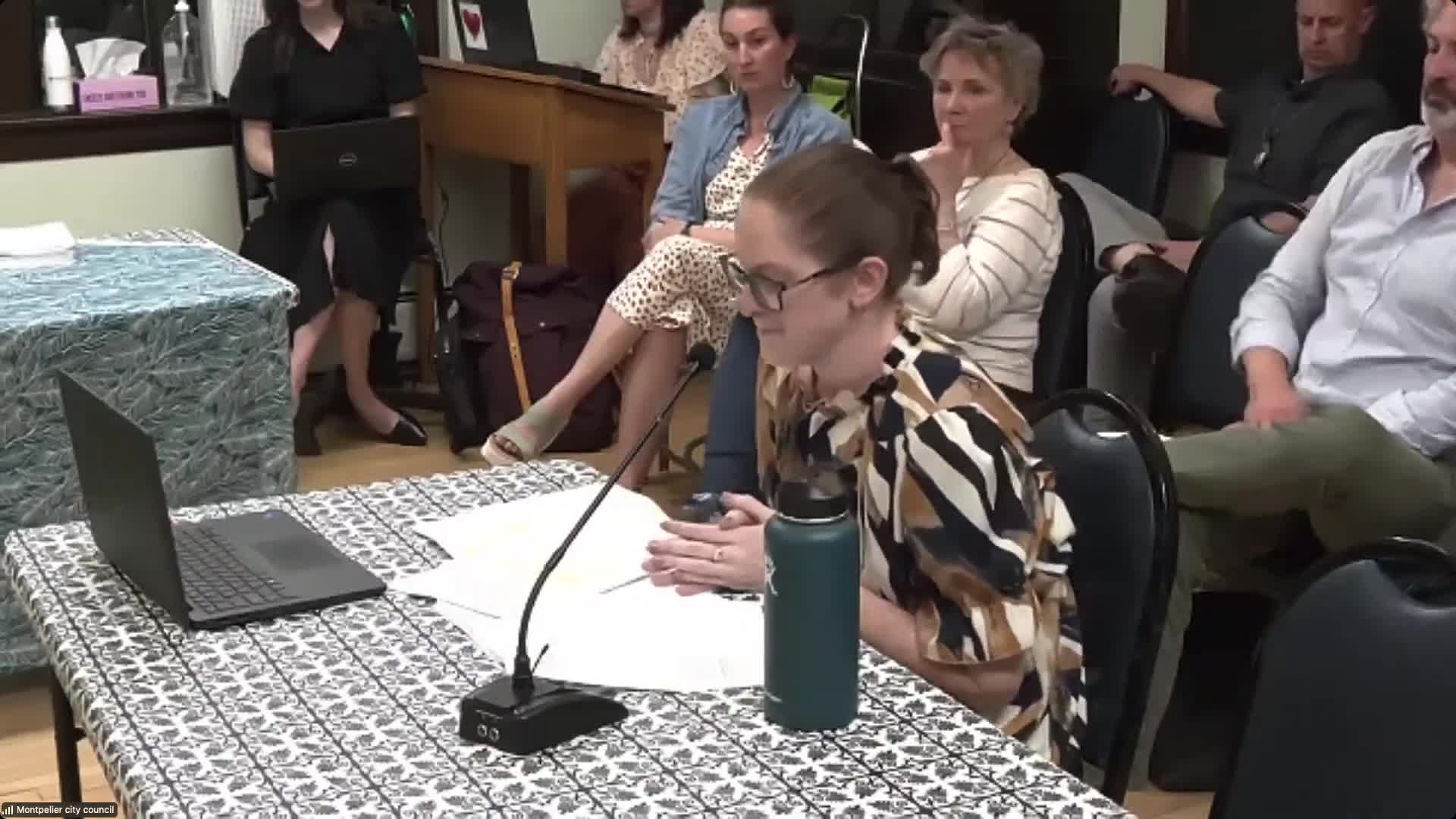
Summary
Following voter approval of a 1% local-option sales tax, the council agreed to hold most receipts for later allocation and to initially allocate $150,000, with $50,000 to Montpelier Alive and $100,000 for infrastructure if the first quarter receipts meet the projection.
After voters approved a 1% local-option sales tax, the Montpelier City Council on May 21 approved a cautious spending approach for the new revenue stream and directed staff to revisit allocations after two quarters of receipts.
Finance Director Sarah LaCroix told the council state tax remittance practice means the city receives first-quarter revenue in November; the state collects and remits 70% of local-option collections to the municipality and retains 30% for the state payment in lieu of taxes fund. City estimates based on state-provided sales activity project about $500,000–$600,000 annually, but LaCroix recommended limited initial spending because of the city’s current fiscal pressures.
The council approved setting aside the first $150,000 as follows: $50,000 to Montpelier Alive (the local tourism/downtown non-profit) and $100,000 to infrastructure projects, but only after the first remittances are received and reviewed. The council voted to hold the remainder unallocated and review allocations in March 2026 after two quarters of receipts, public input, and alignment with city budget priorities.
A downtown business leader attending the meeting urged transparent planning with business input and said business owners want a seat at the table to help shape how the funds support downtown beautification, visitor services and hospitality investments.
Council approved the recommendation by voice vote. LaCroix and councilors said the approach is intended to provide a stable, deliberate path to spending the new revenue while protecting the city’s fragile fund balance.