
Lawmakers press Space Force on launch capacity, transport layer and funding for FY26
Get AI-powered insights, summaries, and transcripts
Subscribe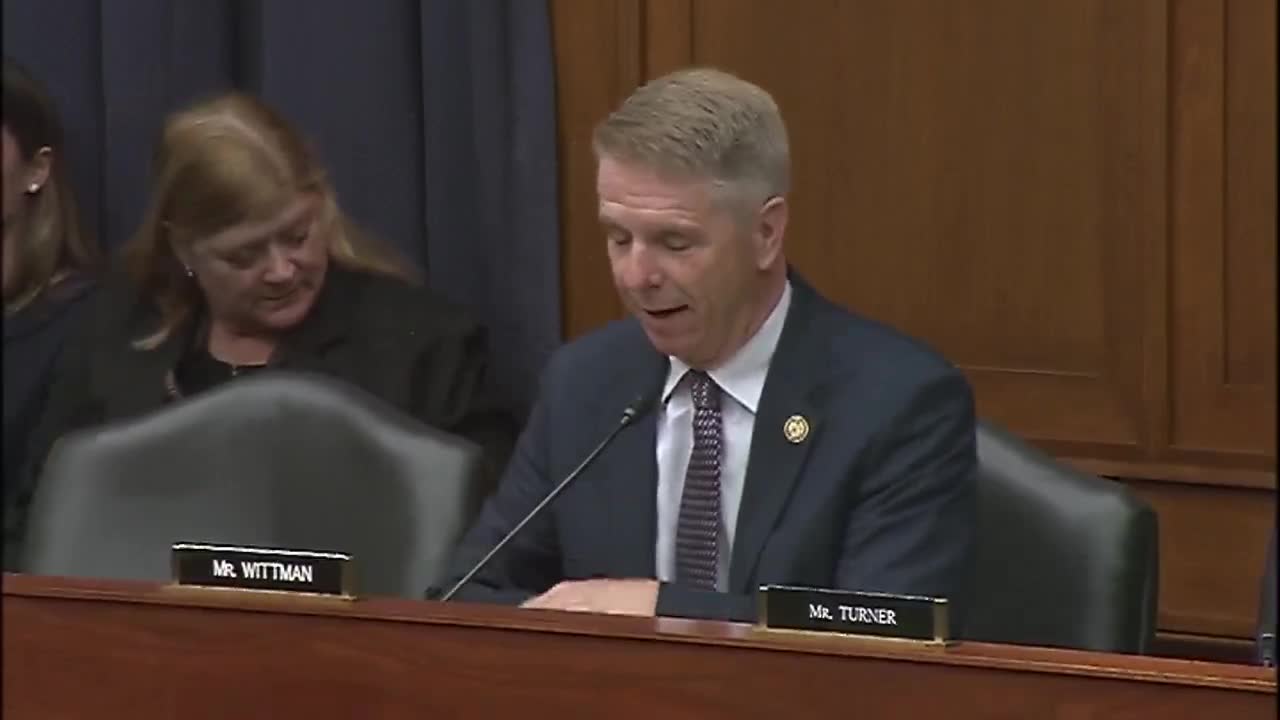
Summary
Committee members questioned Space Force and Air Force leaders about launch capacity on both U.S. coasts, the Space Development Agency transport constellation, tactically responsive space, and concerns that proposed FY26 allocations may cut Space Force funding even as missions expand.
House members used a fiscal 2026 budget hearing to press Space Force and Air Force leaders for specifics on launch capacity, transport-layer constellations and whether the Space Force's budget will match expanding mission demands.
General Chance Saltzman, the chief of space operations, told the committee that space capabilities underpin economic and military functions and that the Space Force needs resources to accept new missions. He described progress on tactically responsive space demonstrations, including placing a ready satellite on orbit and operationalizing it in less than 90 hours during a recent exercise.
Members pressed on launch capacity at both U.S. coasts, noting that only one National Security Space Launch (NSSL) provider — SpaceX — was certified for both Eastern and Western Ranges, creating near-term competition and resilience risks. Saltzman said the Space Force and range authorities are working to certify other providers and expand infrastructure, and that long-term plans exist to add launch complexes.
Representative Mike Waltz and others raised concerns about the Space Development Agency's transport-layer tranches. Witnesses said the FY26 budget request had not been finalized publicly, but stressed that SDA's transport-layer capabilities are “vital to almost every aspect” of Space Force and joint operations; Saltzman said tranche 2 delivers critical low-latency direct-to-platform communications.
Members also asked whether the department plans to make tactically responsive space or some commercial offerings permanent programs of record. Saltzman said the service will continue to leverage commercial providers for data and to buy capability when it makes sense; he warned that making some commercial services a program of record could reduce innovation and competition.
Across the hearing lawmakers repeatedly asked whether the FY26 topline would shift funds away from space; witnesses said the department had not publicly released final numbers and that they were committed to making the case for resources that match mission growth.