Residents and housing advocates clash over Lily townhomes at Matthews public comment
Loading...
Summary
At a June 9 meeting, residents urged the board to reject a proposed townhome project near Queen's Grant schools citing traffic concerns while academics and nonprofits said the development would add for-sale homes at price points below $400,000 and create affordable units for Habitat for Humanity.
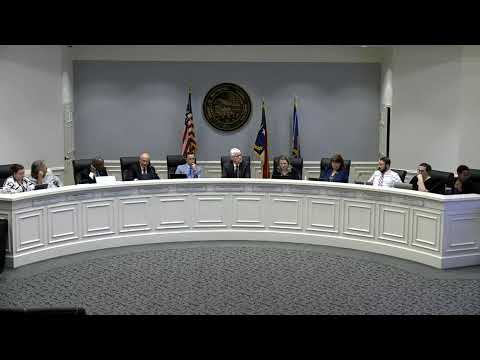
Members of the public used the town's allotted public-comment period on June 9 to press opposing views about the proposed Lily townhomes development.
Alex Freeman, who lives near the project area, urged the board to reject the proposal on traffic and land-use grounds, saying the site "has too much traffic" and that the developer's traffic-impact analysis (TIA) was flawed because it used counts taken during low-traffic final-exam periods. Freeman also said the developer's TIA omitted a proposed 64-unit multifamily project that he said would share an intersection with the Lily townhomes, and he warned that anticipated cost increases could make the units unaffordable if resold.
That opposition was met by developers, researchers and nonprofit housing advocates who urged the board to approve the project. Young Quang (Yong Chan) Chu, director of UNC Charlotte's Real Estate center, said the shortage of supply pushes home prices up and argued the town needs more housing supply. "Most of the townhomes will be sold at below $400,000," he said, and noted the market and tariff delays make timing important.
Natisha Rivera Patrick, president and CEO of Greater Matthews Habitat for Humanity, said her organization would be able to purchase six move-in-ready townhomes from the project at or below cost and sell them to buyers at 80% of area median income (AMI) with 99-year deed restrictions to keep them affordable. "This project represents the equivalent of six years of traditional building for us," she told the board.
Other speakers included Elizabeth Garcia, a Habitat homeowner who described homeownership as preventing homelessness, and Brian Hacker, who used public comment to commend the town's Juneteenth and LGBTQ+ proclamations before addressing the housing conversation.
What happens next: The board recessed into scheduled public hearings; planning staff and the planning board will continue review. Several zoning and land-use items moved through hearing and vote processes later in the meeting; the council also approved separate zoning applications (see "Zoning and votes" roundup). Public hearings on land-use map and UDO amendments were scheduled to continue through the evening and, if not opened, to be continued to July 14.
Why it matters: The debate captures a common local trade-off — residents and safety advocates point to traffic and infrastructure strain, while housing experts and nonprofits urge more-for-sale units at attainable prices and public–private partnerships to produce permanently affordable homes.