Rancho Cordova staff proposes broader allowances for mobile food vendors, commissioners and vendors raise fees and enforcement concerns
Loading...
Summary
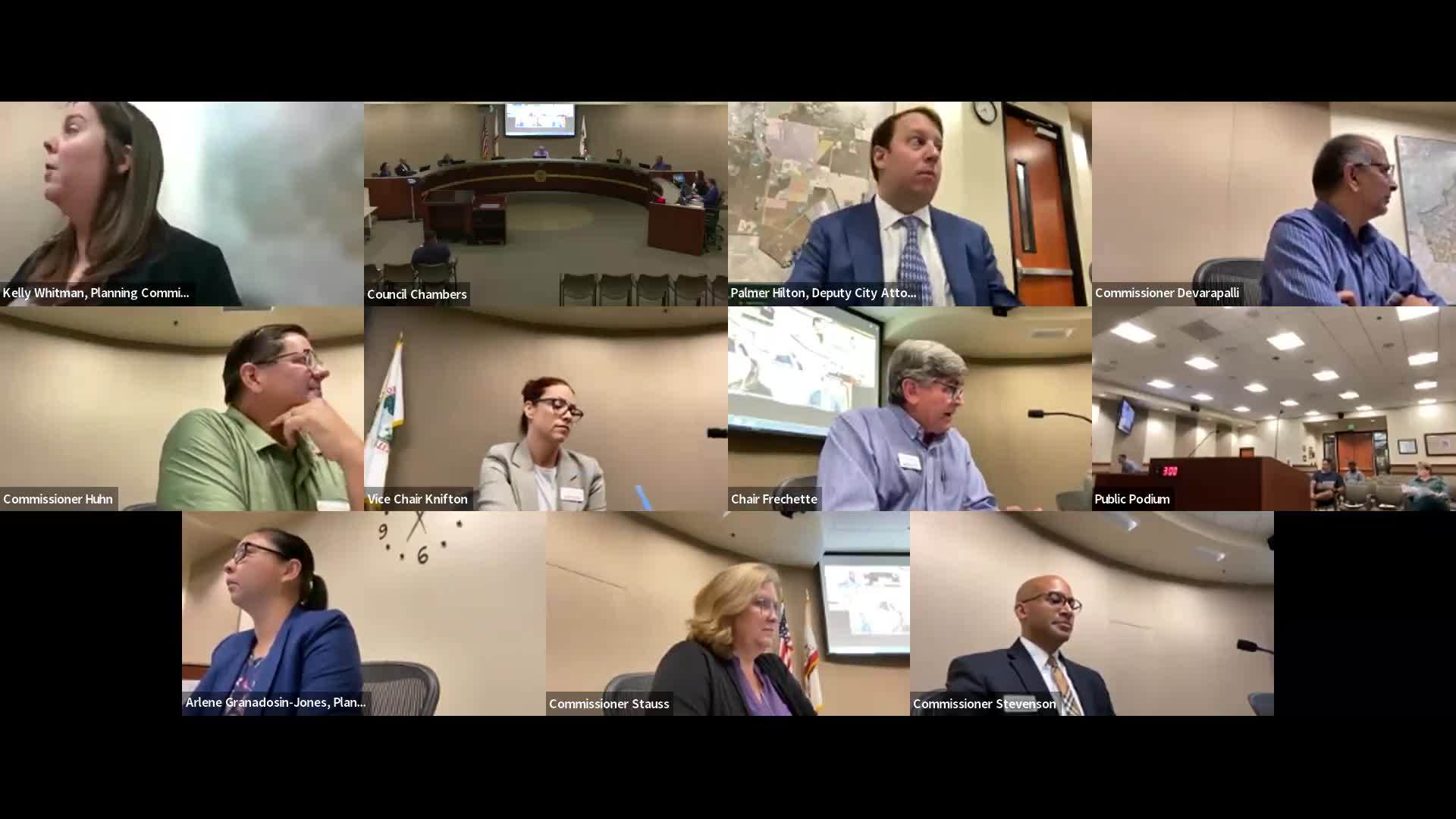
Rancho Cordova — City planning staff on Wednesday presented proposed zoning-code changes intended to ease rules for mobile food vendors while clarifying enforcement and permitting requirements, and asked the Planning Commission for feedback before the amendments return as a formal recommendation to City Council.
Rancho Cordova — City planning staff on Wednesday presented proposed zoning-code changes intended to ease rules for mobile food vendors while clarifying enforcement and permitting requirements, and asked the Planning Commission for feedback before the amendments return as a formal recommendation to City Council.
The staff proposal would extend the maximum time a single vendor may occupy a private location from two hours to four hours, allow temporary on-site tables, chairs, shade canopies and A-frame signs during that period without a separate temporary use permit (TUP), exempt vendors who are part of approved events from the timed limit, and require applicants to include their health-department application and approval with the business-license submittal. Staff also proposed that more than one vendor on a parcel at the same time would trigger a TUP review and that vendors remain limited to nonresidential properties except when participating in permitted special events.
Why it matters: The proposals respond to complaints from vendors about short time limits and to concerns from businesses and staff about crowding, parking and public-safety circulation. The changes would alter daily operations for food trucks and other mobile vendors across the city and set the framework for recurring food‑truck events.
Senior Planner Nick Sosa and Britney Mariscal, the city’s code‑enforcement supervisor, told commissioners the changes grew from council direction and outreach to vendors, the Rancho Cordova Chamber of Commerce and Sacramento Mobile Food Vendors (SACTO Mofo). Sosa told the commission staff was “requesting feedback on these changes prior to their return to… the Commission as official code amendments.”
Vendor and business feedback at the meeting was sharply practical. Brian Danzel, who works with the Cordova Community Council and the Cordova Recreation and Park District and organizes food vendors for community events, said fee levels and electrical access are pressing issues for operators. “So if we’re not gonna allow generators to be used, how are we gonna get these food trucks to be able to work? They need power,” Danzel said, urging the city to plan infrastructure and standardized plugs.
Diane Rogers, president and CEO of the Rancho Cordova Area Chamber of Commerce, praised most of the proposed standards but urged changes in classification and fees. “I applaud the proposed, nearly all of the proposed standards that changes to the standards, including the hours, the freestanding signs, elimination of the TUP, allowing shade, things like that,” she said, and recommended lower permit costs and distinct categories for cart-style vendors versus full food trucks.
Staff outlined the current and proposed fee and permit framework at the meeting: the existing business-license application fee for mobile food vendors was presented as $318 for an initial application and $286 for annual renewal, plus a $44 background-check fee paid to the Rancho Cordova Police Department; a prior temporary‑use permit fee cited by staff was $241. Staff said some neighboring jurisdictions charge substantially less (one example cited by speakers was renewal fees of about $50 after an initial fee in Woodland) while others — notably Oakland in the comments — charge substantially more.
Commissioners and vendors raised enforcement and equity concerns: how to verify a truck’s two‑hour start and stop time, how to confirm property-owner permission, how to hold non‑permitted “pop‑ups” accountable, and whether background checks for mobile vendors should match those for restaurant staff. Staff said enforcement typically begins with education and that citations can be issued when violations are documented; staff also said it intended to require health‑department documentation with business‑license applications to help verify locations and timeframes.
Several speakers suggested preparing infrastructure in known gathering locations to accommodate trucks without generators. One commissioner recommended standardizing on an industry plug (referred to in the discussion as the “Cal‑50” 50‑amp style) so event hosts and property owners can offer receptacles vendors can use instead of generators.
What the commission decided: Commissioners offered broad support for the staff approach and asked staff to return with formal redlined code amendments and a recommendation for City Council. City staff said they would take the feedback into account, revise the proposal, and bring a formal recommendation back to the Planning Commission at a future meeting (staff later indicated the ordinance could be ready by the July 23 meeting). No ordinance or fee changes were adopted at the June 11 meeting.
Next steps: Staff will revise the draft code language to reflect the commission’s feedback, include clarifications requested about classification and fees if directed by the commission, and return with a formal resolution and proposed code amendments for the commission to recommend to City Council.