
Michigan Realtors briefs committee on continuing education, zoning reforms and MLS compensation changes after national settlement
Get AI-powered insights, summaries, and transcripts
Subscribe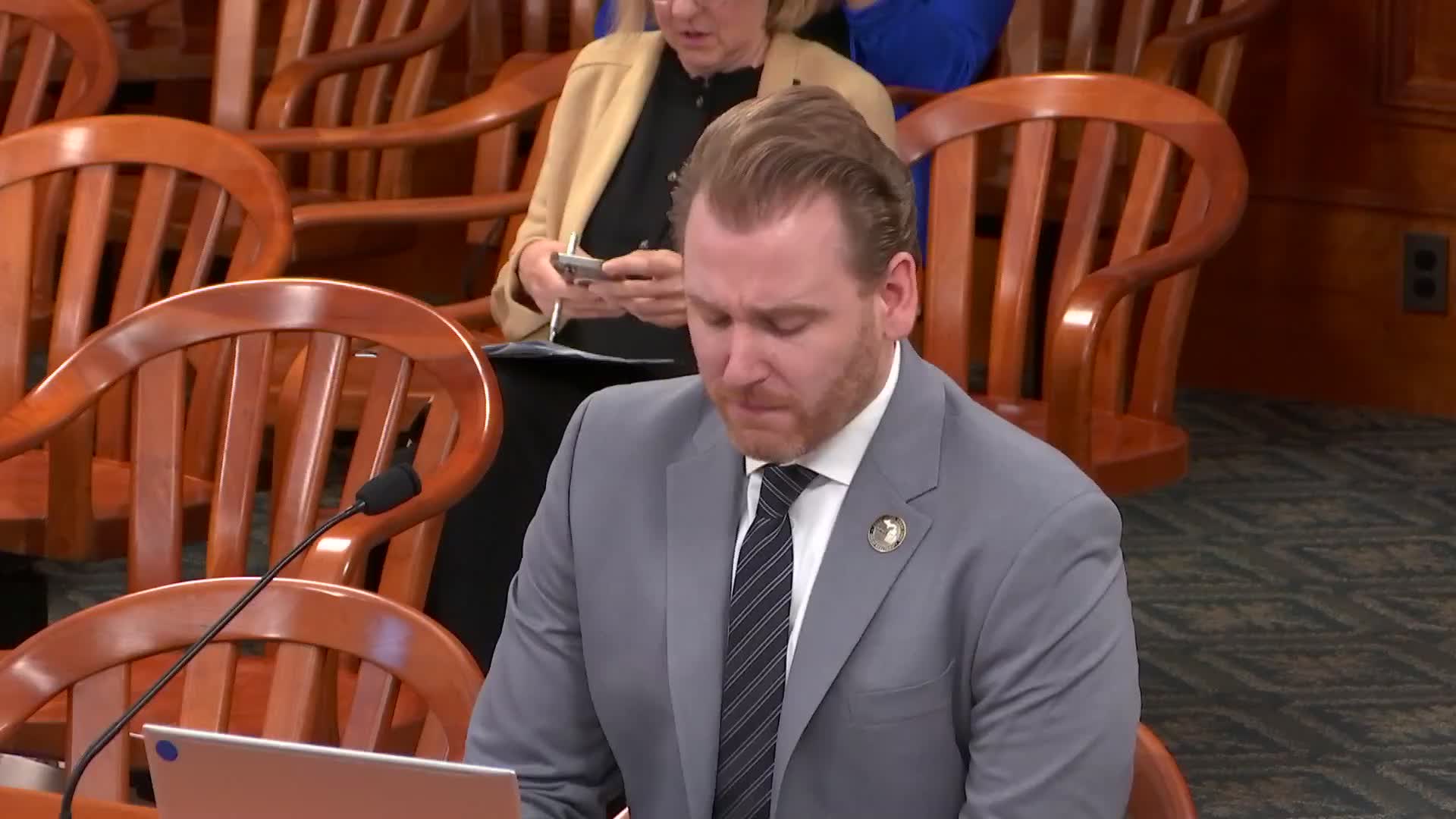
Summary
Michigan Realtors told the House subcommittee that its continuing‑education marketplace and statewide training help uphold professional standards while the industry adapts to zoning reforms and new national rules on broker compensation.
Sean Cecil, policy field director for Michigan Realtors, told the House Subcommittee on Licensing and Regulatory Affairs and Insurance and Financial Services on May 20 that the association’s continuing education marketplace and training programs support professional standards for licensees while the industry adapts to legal and market changes.
“These structures are foundational to protecting consumers, and promoting professionalism in one of the most significant financial decisions most Michiganders will ever make,” Cecil said, describing Michigan Realtors’ CE Marketplace and statewide training offerings.
Cecil summarized continuing‑education requirements: 18 hours every three years for all licensees, including two hours of legal credit and one hour of fair‑housing credit per year, with the remaining hours flexible across the cycle. He said Michigan Realtors operates approved courses statewide, runs an annual Achieve Conference and Fall Convention, and offers on‑call support to help licensees with course access and compliance.
On housing supply, Cecil urged lawmakers to modernize local land‑division and zoning rules, including proposed changes to the Land Division Act to raise allowable parcel splits from four to ten to support modest infill development. He said outdated low‑density zoning, excessive parking mandates and other local rules restrict housing types such as duplexes, townhomes and accessory dwelling units, and that reforming those rules could expand affordable housing options.
Cecil also summarized the national antitrust settlement involving the National Association of Realtors and large brokerages. He said the class‑action settlement, approved after litigation, requires new rules: offers of buyer‑agent compensation can no longer be displayed on MLS platforms; buyers must enter into a written agreement with their agent prior to touring properties; and compensation must be disclosed and is negotiable. He said Michigan Realtors has produced educational materials, updated forms and hosted compliance webinars to help members adapt.
Committee members asked about local government roles and whether Realtors feel they get value from licensing and education. Cecil said Michigan Realtors works with local governments and local boards, provides courses across the state including in the Upper Peninsula, and believes licensees are receiving useful education and support even as market conditions create income volatility.
The subcommittee did not take formal regulatory action on the topics discussed.