
Board committee approves new educational‑interpreter job descriptions to align with state requirements
Get AI-powered insights, summaries, and transcripts
Subscribe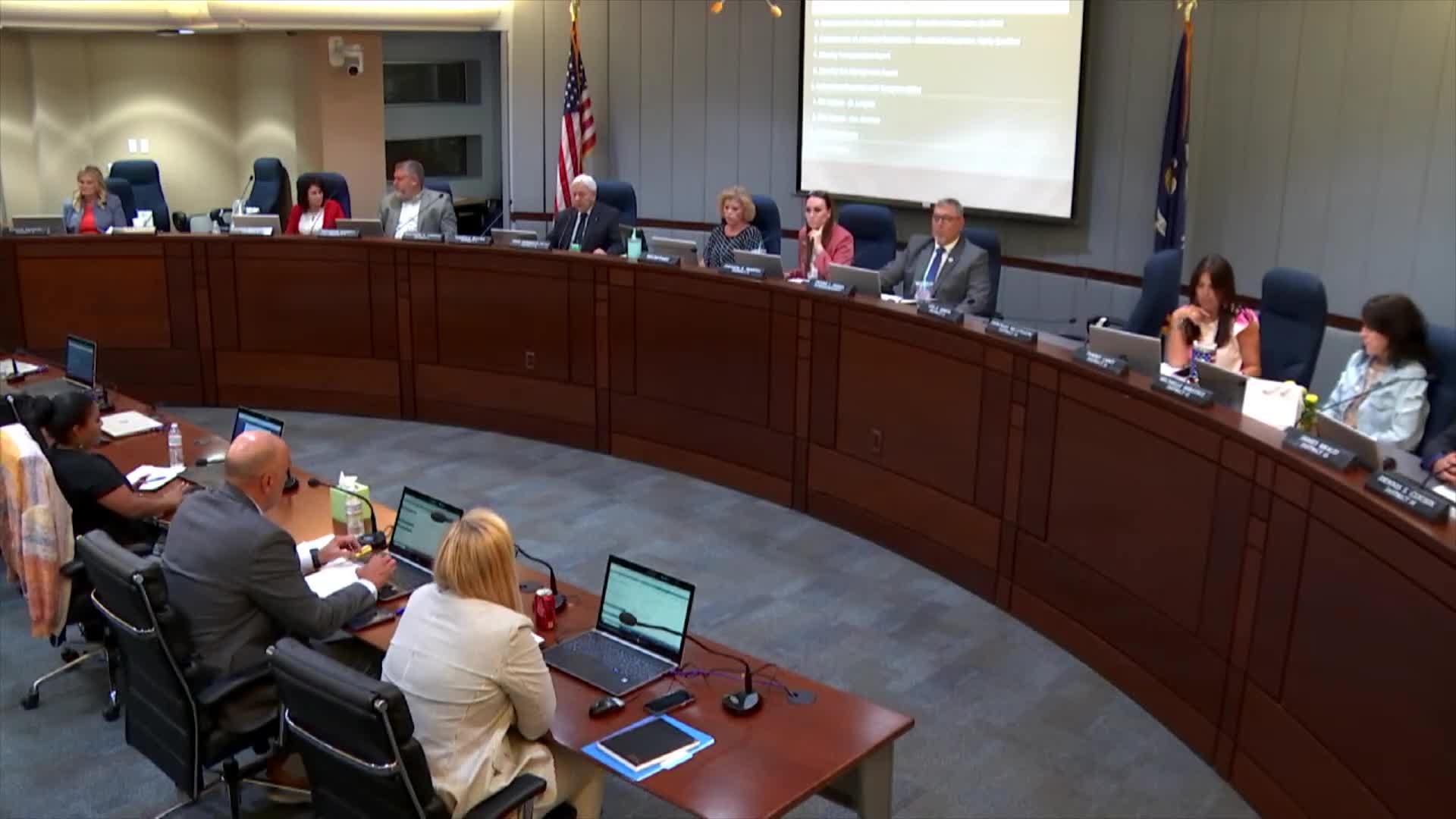
Summary
The committee unanimously approved three revised job descriptions — provisional, qualified and highly qualified educational interpreters — aligning district roles to state certification paths and salary bands.
The Human Resources & Education Committee voted unanimously July 10 to adopt updated job descriptions renaming interpreter aides as educational interpreters and aligning three levels — provisional, qualified and highly qualified — with Louisiana certification requirements.
District staff said the updates do not create new positions; they reclassify existing roles and set clear certification and salary distinctions for each level. The committee approved the three items in separate votes: item C (educational interpreter provisional) passed unanimously; item D (educational interpreter qualified) passed unanimously; item E (educational interpreter highly qualified) passed unanimously.
Human Resources staff and representatives from the district’s deaf and hard‑of‑hearing program explained the classifications. A “provisional” interpreter lacks required test scores but demonstrates skills and would work under mentorship while pursuing certification. The “qualified” and “highly qualified” categories reflect progressively higher EIPA (Educational Interpreter Performance Assessment) performance and formal credentials; staff said the highly qualified classification typically requires a degree plus certification. Each classification carries a different salary level, staff said; contract term was not changed by the reclassification.
Board members asked about timelines and mentorship. Staff said provisional status is time‑limited under state guidelines administered by the Louisiana Commission for the Deaf; provisional interpreters generally have a multi‑year window (staff cited two to three years, with possible extension) to meet testing and certification requirements and may be placed with a mentor until they meet state standards.
Committee members thanked staff for the alignment work and public comment included recognition of the district’s deaf and hard‑of‑hearing staff. The meeting record shows the motions to consider and approve each item were made and seconded; each item passed unanimously.