
Strong Towns member tells Fargo commission walkable, mixed‑use design advances equity and health
Get AI-powered insights, summaries, and transcripts
Subscribe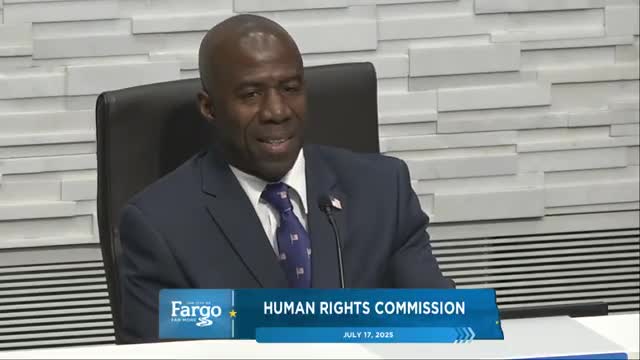
Summary
Aulet Preston of Strong Towns Fargo urged the Human Rights Commission to support active‑transportation, mixed‑use development and traffic calming, saying car‑centric design disproportionately harms low‑income residents and people of color and increases health and safety risks.
Aulet Preston, a member of Strong Towns Fargo and a former deputy mayor, told the Human Rights Commission on July 17 that shifting development toward walkable, mixed‑use neighborhoods would improve public health, safety and economic resilience — and would reduce inequities affecting low‑income residents and communities of color. “Car centric cities ... have disproportionately negative impacts on low income communities and communities of color,” Preston said.
Preston described the elements of walkable neighborhoods — maintained sidewalks and crosswalks, bike lanes, mixed‑use centers where daily needs are reachable within a 15‑minute walk or bike ride, traffic calming on busy thoroughfares, and public spaces. She said those features can reduce chronic illness by making daily activity routine, decrease transportation costs for households and generate more tax revenue per acre than low‑density development.
Preston cited several local activities by Strong Towns Fargo: safe‑streets advocacy, education and outreach, a study of a potential conversion of University Drive (referred to in the meeting as “tenth university”/“10th University” conversion) from one‑way to two‑way traffic, and meetings with Metro COG and city staff to discuss integrating Complete Streets principles into planning. She said the local group has been active about a year and a half to two years and is still organizing its priorities.
On affordability and household budgets, Preston noted the cost of car ownership and the share of income spent on transportation. “Owning a car costs about 12, little over 12,000 a year,” Preston said, and said car‑dependent households can spend 15–25% of income on transportation, which reduces resources available for housing and local spending.
Commissioners asked about how residents can get involved and raised questions about transit coverage in growing neighborhoods. Preston said the local Strong Towns group can be reached through its organizers and offered to provide contact details to the commission. Commissioners invited the group to return for a fuller presentation in September so the commission could discuss potential collaboration on health, transportation and neighborhood planning.