
Ellensburg candidates propose zoning, incentives and ADU changes to address housing affordability
Get AI-powered insights, summaries, and transcripts
Subscribe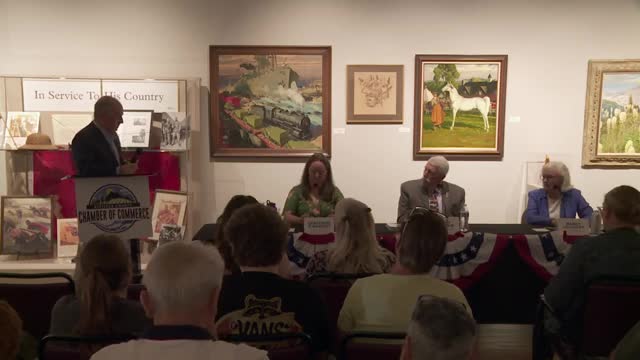
Summary
Candidates at an Ellensburg City Council primary forum on July evening prioritized housing affordability, proposing inclusive zoning, incentives for developers, expanded accessory dwelling unit (ADU) rules and leveraging local sales tax to attract state and federal funding.
At a candidates forum hosted at the Clymer Museum and Gallery, several people running in Ellensburg's city council primary identified housing affordability as the city's top challenge and outlined different local steps they would take if elected.
Housing dominated candidate responses because it affects residents across income levels, they said, from students and working families to long-term locals. Geraldine O'Mahony, a planning commissioner and former Central Washington University professor, said, “I think Ellensburg's biggest challenge is housing affordability, climate resilience, and economic equity,” and advocated for zoning and development policies that expand affordable housing while protecting renters and working families.
Why it matters: Candidates framed housing as a cross-cutting issue tied to growth, economic development and quality of life. Several called for local policy changes that city officials can pursue without waiting on state or federal action.
Candidates offered three recurring approaches. First, make code and zoning changes to support “missing middle” development — smaller homes on smaller lots and higher densities near infrastructure. A candidate who identified herself as Joan Loquist recommended code reviews “to remove the barriers to...missing middle housing.” She noted the city has used local resources to leverage larger projects: “We have built 55 of those in the last few years, and we have a 120 more in development right now,” she said, referring to income‑restricted or subsidized housing projects.
Second, require or incentivize affordable units within new developments. O'Mahony described an “inclusive zoning model” discussed by the planning commission and the affordable housing commission that would include both mandatory and incentive-based provisions for developers.
Third, expand and simplify ADU (accessory dwelling unit) permitting. O'Mahony and others urged streamlining the permitting process so homeowners can more easily add ADUs as an incremental source of attainable housing.
Candidates also discussed financing. Joan Loquist suggested leveraging local sales tax funds voters approved to attract state and federal money for income‑restricted projects. John Sinclair, a retired fire chief who said he supports locally targeted subsidies and first‑time homebuyer assistance, described housing pressure in small towns as a “generational problem” driven in part by post‑COVID moves from larger metro areas.
Not all details were specified in the forum. Candidates mentioned the city comprehensive plan and state law requirements for planning but did not provide ordinance numbers, specific funding allocations or timelines. Several said more work would be needed to design the specifics and described continued collaboration between the planning commission, affordable housing commission and city staff.
Looking ahead: Candidates said the city can pursue code changes and targeted incentives now while continuing to seek state and federal funds. Several pointed to public engagement — neighborhood forums and commission input — as the next step before drafting any binding code changes or funding commitments.