
TAG members push for more review time, question rushed 2024 IRC schedule
Get AI-powered insights, summaries, and transcripts
Subscribe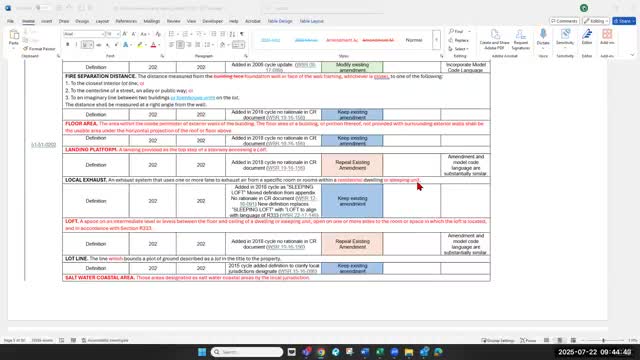
Summary
Several TAG members objected to the short notice on staff reports and asked for additional review time; one member proposed twice-weekly meetings to meet council deadlines.
Several members of the State Building Code Council’s residential-code TAG raised procedural objections during Tuesday’s virtual session, citing insufficient time to review staff-prepared reports and asking staff to slow the process to allow detailed technical review.
"If it was up to me in a perfect world, what I would suggest is that we get one week to review these documents," said Josh Mergans, owner of Balanced Structural Engineering. Multiple members echoed that sentiment; Jen Eliuk, a plan examiner with the City of Bellevue, said she felt “thrown into this without any preparation” and asked for time to examine staff materials.
Quinn Tye, a building official attending as an alternate, proposed an accelerated meeting cadence to meet the council’s calendar: twice-weekly, three-hour sessions beginning next week. "Because there's such a rush, that we meet starting next week twice twice a week, because of that rush and for three hours," he said. Some members said they would use alternates to manage workload if meetings increase.
Why it matters: TAG review is the primary technical check before staff prepares rulemaking filings; members said compressed timelines risk hasty decisions. Staff said they had prepared the reports to reduce later formatting work and to preserve the December adoption target but agreed to circulate a poll and schedule additional sessions.
No formal policy decisions were made on the proposals themselves during the meeting; members asked staff to notify proposal proponents and to post meeting invitations once the poll results are in.
The TAG’s next steps are an internal scheduling poll and a series of additional meetings aimed at completing review of the existing-amendments and significant-changes reports and discussing public proposals.