
Physicians, hospitals and patient groups back prior-authorization overhaul to reduce delays and administrative waste
Get AI-powered insights, summaries, and transcripts
Subscribe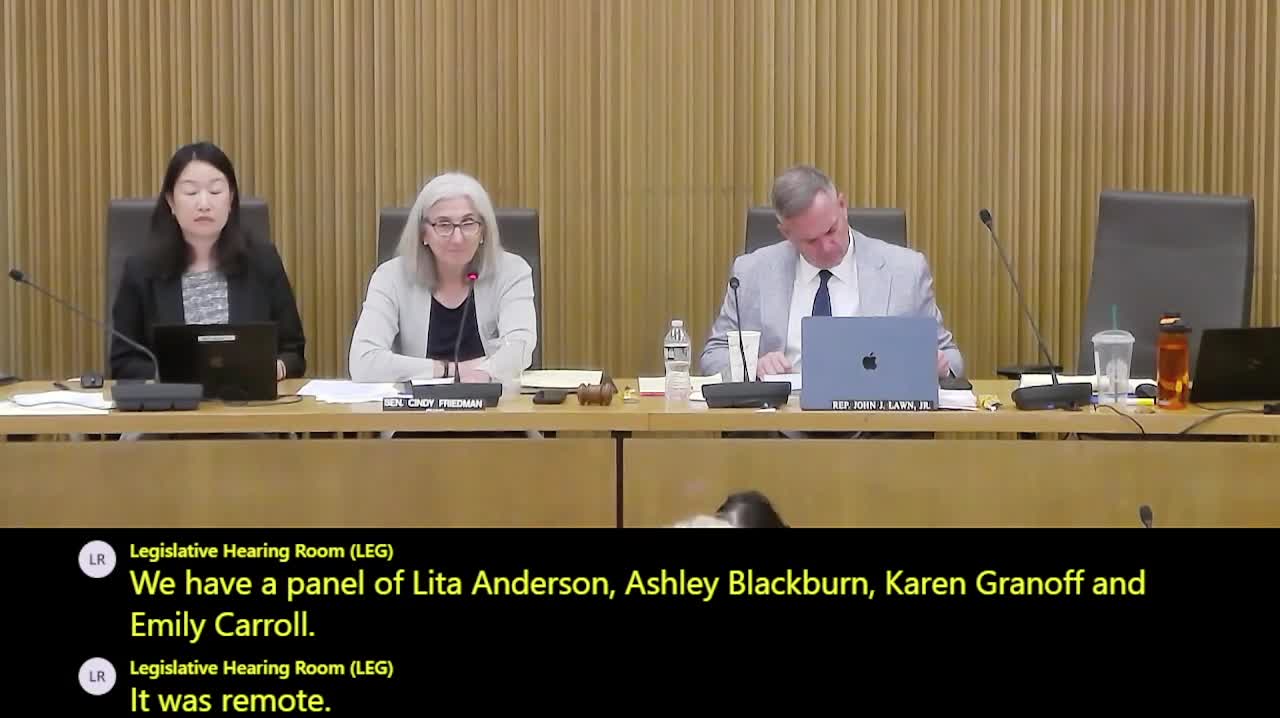
Summary
Physician groups, hospitals and patient advocates told the Joint Committee S1403 would right-size prior authorization by requiring timeliness, continuity when patients change plans, mandated response windows for urgent requests and standardized electronic processes, arguing those changes preserve utilization review while removing harmful delays.
Medical societies, hospitals and patient advocates urged the Joint Committee on Health Care Financing to act on S1403, an act relative to reducing administrative burden that would reform prior authorization practices across insurers operating in Massachusetts.
Witnesses described prior authorization as a widespread administrative burden that delays care and contributes to clinician burnout. "The current prior authorization process is the complete opposite and based on little to no evidence," Lita Anderson of the Massachusetts Medical Society said, describing the issue as a major driver of administrative waste and clinician attrition.
Key proposals in S1403 include: - Requiring prior authorizations to remain valid for the duration of a course of treatment or for at least one year when clinically appropriate to prevent repeated approvals for the same ongoing therapy. - Requiring a 24-hour response window for urgent authorizations. - Establishing continuity protections when a patient switches plans so previously approved care is not interrupted. - Phasing in standardized electronic prior-authorization transactions to reduce paperwork and duplicative submissions. - Requiring reporting and transparency to state regulators about prior-authorization volumes, approvals, denials and appeals.
Hospitals and health systems supported the bill's timeliness and continuity provisions. Karen Granoff of the Massachusetts Health & Hospital Association said insurers' inconsistent rules create repeated administrative work and discharge delays: "Insurance issues were the number one problem in timely discharges from acute care to post-acute settings." Dana-Farber and other specialty providers highlighted delays in oncology approval processes and urged a 24-hour standard for urgent requests.
Patient assistance groups and the Health Care for All helpline described callers who experienced prolonged delays before being seen by specialists or receiving medications. Ashley Blackburn of Health Care for All cited cases where routine referrals became month-long processes, producing avoidable stress and care delays.
The American Medical Association and other national groups supported the legislation's alignment with federal interoperability and prior-auth rules and encouraged automation and standardization while preserving human clinical review and oversight of decisions.
Why it matters: Supporters said the reforms maintain insurers' ability to manage utilization but reduce unnecessary delays, particularly for chronically ill patients and those switching coverage. They argued reforms would also reduce provider administrative costs and help stabilize the primary care workforce.
Next steps: Sponsors urged a favorable report and recommended including phased implementation and technical specifications for electronic standards aligned with federal rules. The committee did not take action at the hearing.
Ending: Advocates framed the bill as pragmatic fixes to a broken administrative process, balancing utilization safeguards with patients' timely access to care. "If we're serious about primary care reform, we can't just address payment — we also have to address the cost issues at the core of the problem," the Massachusetts Medical Society's Lita Anderson said.