
Belmont officials, residents urge exemption from Chapter 61B tax break for private country club
Get AI-powered insights, summaries, and transcripts
Subscribe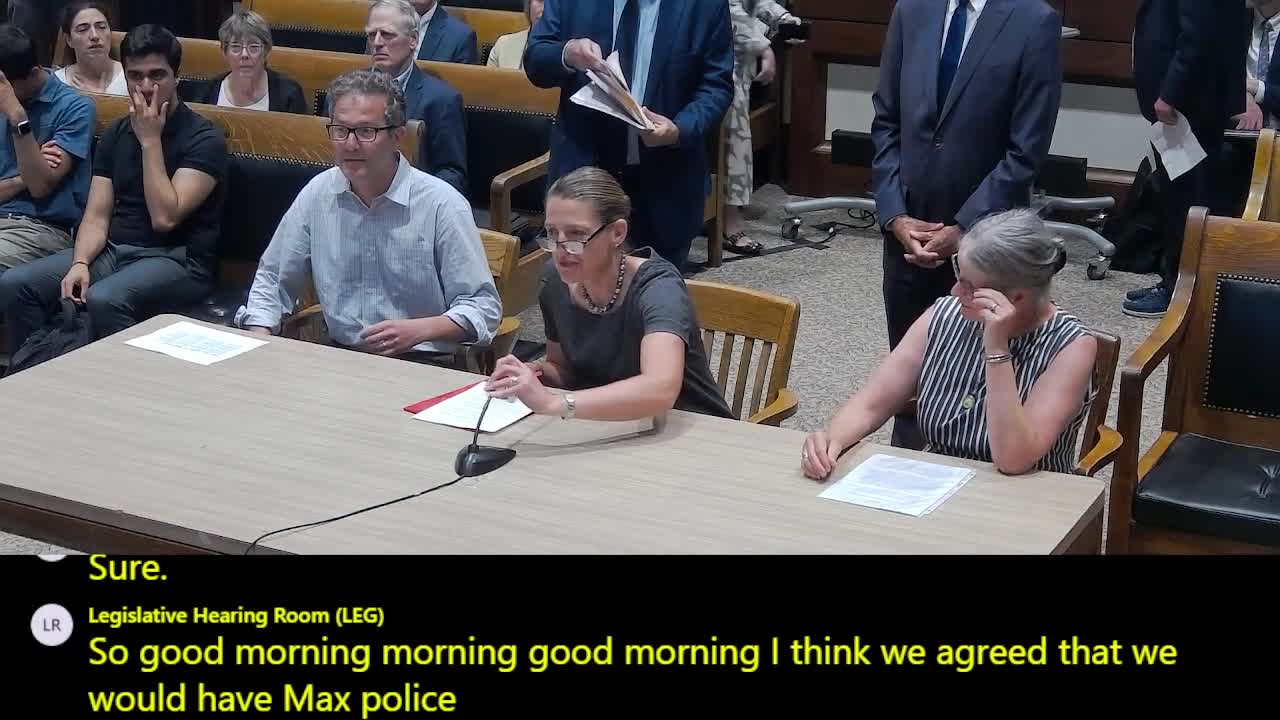
Summary
Residents and Belmont officials testified in favor of a home‑rule petition and H.3970 seeking to limit or exempt the town’s privately owned country club from the Chapter 61B recreational land preferential tax status, arguing the 134‑acre club occupies scarce developable land and pays a reduced assessment that shifts tax burden to residents; town
Belmont officials, residents and a town select‑board member urged the Joint Committee on Revenue to act on a home‑rule petition (filed as H.3970 in supporters’ testimony) asking the Legislature to remove or limit the Chapter 61B preferential tax treatment for the privately owned Belmont Country Club.
Residents said Belmont has limited developable acreage and that the country club’s 134‑acre property off Route 2 is the only private parcel in town claiming the Chapter 61B recreational‑land tax break. Speakers — including Max Police, a resident who organized the petition, and Elizabeth Dionne, a Belmont select‑board member — said the club’s 75% assessment reduction (pays 25% of full assessment) produces roughly $400,000 a year in foregone tax revenue for the town and that reclaiming the tax base could relieve recurring overrides and staffing reductions.
Dionne told the committee that Belmont’s residential tax base is about 95% residential and that the town recently approved an $8.4 million override and other debt exclusions to fund schools and public facilities. She said the town is pro‑development but constrained by size (4.7 square miles) and that town meeting submitted the petition after efforts to negotiate with the club failed.
Committee members asked about the status of conversations with the club, whether the country club provides payments in lieu of taxes, and whether any other properties in Belmont claimed Chapter 61B. Witnesses said the club pays the Chapter 61B reduction and that other large nonprofit property owners (schools and charities) are exempt from property tax by federal/state rules. Supporters said the town had litigated assessments with the club in the past and that the petition is designed to give voters more options for local revenue.
No representative of the Belmont Country Club testified at the hearing. The committee took testimony but did not vote on the petition.