
Massachusetts residents tell judiciary committee housing courts routinely deny due process in foreclosure and eviction cases
Get AI-powered insights, summaries, and transcripts
Subscribe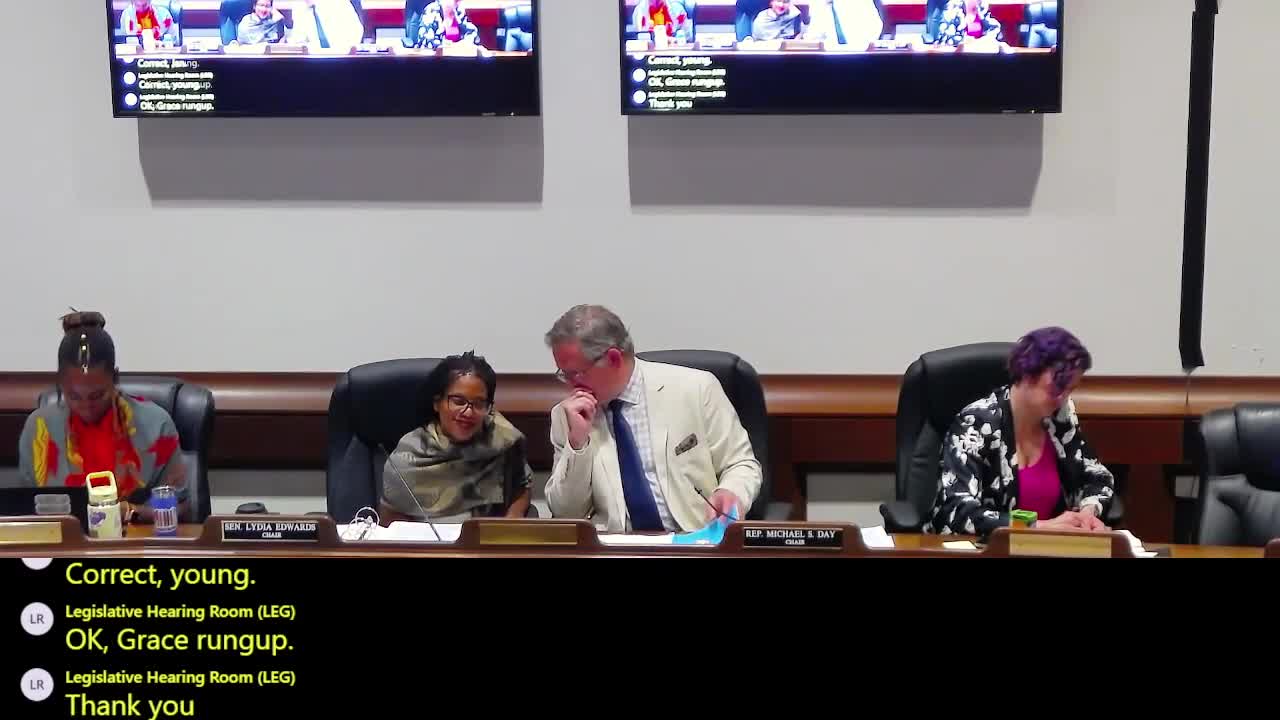
Summary
Scores of residents who said they lost homes or face wrongful eviction described chaotic summary‑process hearings, uncertified constables and missing court records; witnesses asked the legislature to codify existing SJC standards and restore meaningful notice, discovery and indigent assistance in housing and foreclosure cases.
Boston — Dozens of residents and homeowners described chaotic eviction and foreclosure proceedings in Massachusetts housing courts and urged the Joint Committee on the Judiciary to approve legislation they said would restore statutory due‑process protections.
Grace Rungu, who said she was the victim of an alleged foreclosure scam and an ensuing eviction, told the committee her sworn affidavits and supporting public‑record evidence were ignored and that judges dismissed or ridiculed her filings. "I am continuing to fight off illegal and arguably criminally illegal attempts to evict me physically from my home," Rungu said.
Multiple witnesses described similar patterns: summary process rules suspended during the pandemic that were not restored, missing or forged return‑of‑summons documents, eviction executions carried out by constables and moving firms that plaintiffs and several witnesses said were not properly licensed, and judges who refused to transfer title disputes to superior or land court where property ownership is decided. Chester Graham said a housing court judge "conspired" with a plaintiff's attorney to issue a bench warrant and attempted evictions while ignoring bankruptcy stays.
Advocates asked the legislature to codify the Supreme Judicial Court's precedent on what constitutes a meaningful hearing in eviction cases, to require notice, discovery and reasonable accommodations for disabled litigants, and to restore judicial review that separates title disputes from possession matters. Tashina, a housing advocate who supplied court data, said that since 2020 more than 88,000 eviction cases had been filed and that many homeowners and tenants lacked meaningful hearings.
Ending: Chairs acknowledged the testimony and said they would consider statutory language to reinforce SJC standards and to ensure litigants have access to counsel, discovery and appellate review in appropriate cases.