
Right-to-repair debate surfaces as lawmakers press DOD on sustainment and intellectual property
Get AI-powered insights, summaries, and transcripts
Subscribe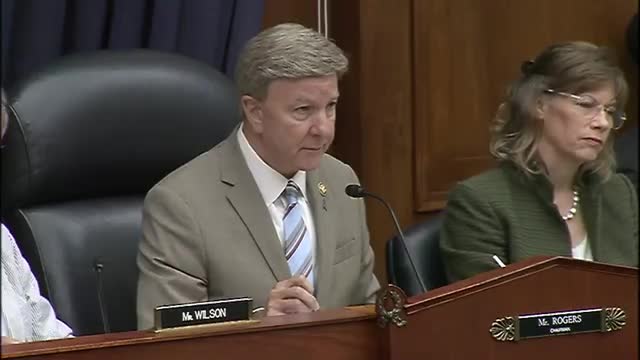
Summary
Committee members and DOD officials discussed right-to-repair provisions, balancing sustainment needs and private-sector intellectual property protections; DOD pledged to work with the committee on targeted assessments.
Committee members repeatedly raised the sustainment challenge known as the "valley of death" and pressed for clearer DOD access to technical data needed to repair and sustain fielded systems. Representative Don Young (transcript: members asked generally) and others focused on the difficulty of balancing operational readiness with privately funded intellectual property; Representative Neal (questions in transcript) and several members urged targeted approaches rather than an all-or-nothing demand for data.
Michael Duffy acknowledged the tension and said, "finding a balance between preserving the intellectual property and providing the department with the access we need to data is a challenge that we're undertaking now." Duffy told the committee he wants a "surgical way to get access to the data that we need in order to enable us to repair and sustain the systems without violating the intellectual property protections that are the profit motive for corporations."
Members drew attention to planned directives and NDAA language: committee witnesses and members referenced NDAA language addressing data access and noted the White House and service-level actions. Duffy committed to work with the committee to craft a balanced policy and to support targeted assessments of what technical data DOD already has and what it needs, an approach several members said they preferred over blanket requirements.
The committee heard that sustainment is a major lifecycle cost driver: Duffy emphasized sustainment priorities and workforce implications, noting sustainment accounts for a high portion of life-cycle costs. Members asked DOD for lists or reports identifying systems and programs where right-to-repair provisions would most improve readiness; Duffy and service witnesses said they would provide further detail for the record.
Ending: The department committed to continued engagement with the committee on right-to-repair, targeted assessments of technical data gaps and policy development to protect privately funded IP while ensuring sustainment for deployed forces.