
Osceola supervisors approve $11,827 for EMS rapid-response kits; drug-dog purchase remains under review
Get AI-powered insights, summaries, and transcripts
Subscribe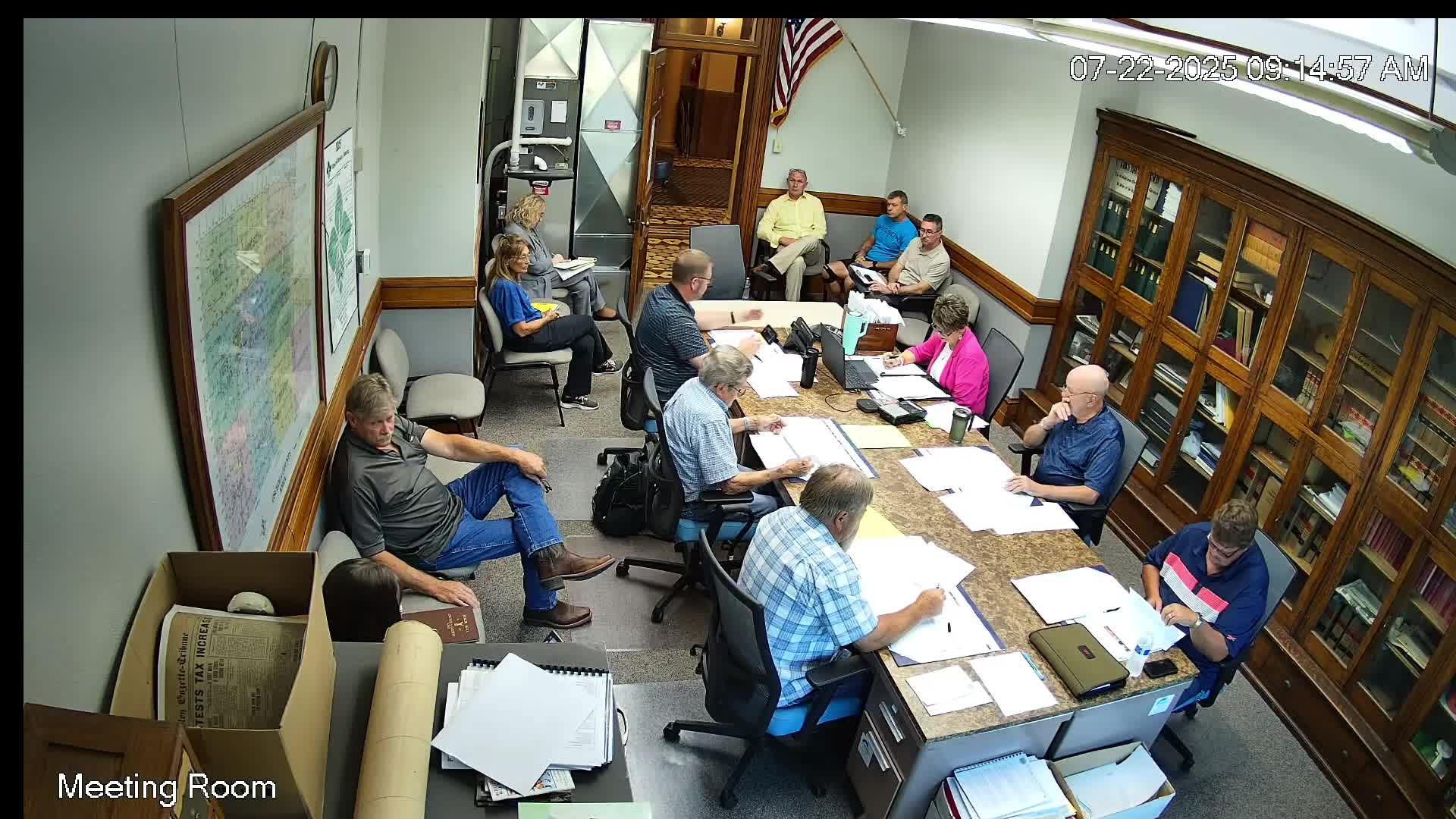
Summary
The Osceola County Board of Supervisors unanimously approved $11,827 in opioid-settlement funds to buy rapid-response kits, Narcan and equipment for emergency responders. Supervisors discussed a separate proposal to buy a drug-detection dog for the sheriff’s office but deferred action pending further cost details and sheriff support.
The Osceola County Board of Supervisors voted unanimously Wednesday to spend $11,827 from local opioid-settlement funds to outfit emergency responders with rapid-response kits, Narcan and related equipment. The board discussed, but did not approve, a separate proposal to buy and support a drug-detection dog for the sheriff’s office.
The rapid-response package, presented to the board as a package for EMS education and equipment, includes Narcan restocking, portable suction units, “mega movers” (patient-moving equipment), lift devices and body bags. The presenter said the county had used Narcan frequently: “In the month of June, I’ve restocked my Narcan 3 different times. In July … I’ve already restocked it once,” and asked the board to approve roughly $11,000 to launch the program. Supervisor John Helmer moved to approve $11,827; Supervisor Leroy Loring seconded the motion, which passed on a recorded unanimous voice vote.
Why it matters: presenters and community members told supervisors that opioid and other drug use has risen locally and that quick response gear and repeatable reporting back to the board would help track use and outcomes. An Atlas representative and a behavioral-health provider described repeated relapse and limited treatment access in the county, stressing that removing drugs from the street and supporting people in treatment are complementary strategies.
Discussion on a drug-detection dog followed. An attorney who identified experience as a defense attorney and assistant county attorney urged the board to consider acquiring a dog to speed drug interdiction, saying drug dogs can remove contraband that officers otherwise cannot legally detect quickly enough. He estimated initial purchase and training costs for a drug-only dog at roughly $23,000 and $33,000 for a dual-purpose dog, and suggested annual veterinary and maintenance costs could be about $1,000. He noted grant opportunities and ongoing settlements that may provide more funds, and asked the board to weigh that option against other needs.
No motion to buy a dog passed. Several supervisors said they wanted the sheriff and a potential handler involved before committing funds. One supervisor summarized the next step as a request for the sheriff’s office and a prospective handler to provide final cost figures and confirm operational details so the board can decide whether to fund a drug dog from the opioid settlement.
The board heard that the county’s opioid fund balance was about $65,000 at the time of the meeting and that more settlement money may arrive later. Presenters said the state currently supplies some Narcan at no charge until that supply is exhausted, after which county-purchased Narcan would be used.
Supervisors instructed staff to return with concrete cost estimates and the sheriff’s position before any decision on a drug dog. The board will also receive periodic reports on how the rapid-response funding is used and outcomes every six months, as requested by the presenter.
Community members who spoke during the meeting supported both moves: advocating immediate supplies for responders and backing a drug-dog program to reduce street-level supply.