
Residents urge faster action on antisemitism; anti‑discrimination committee to meet monthly
Get AI-powered insights, summaries, and transcripts
Subscribe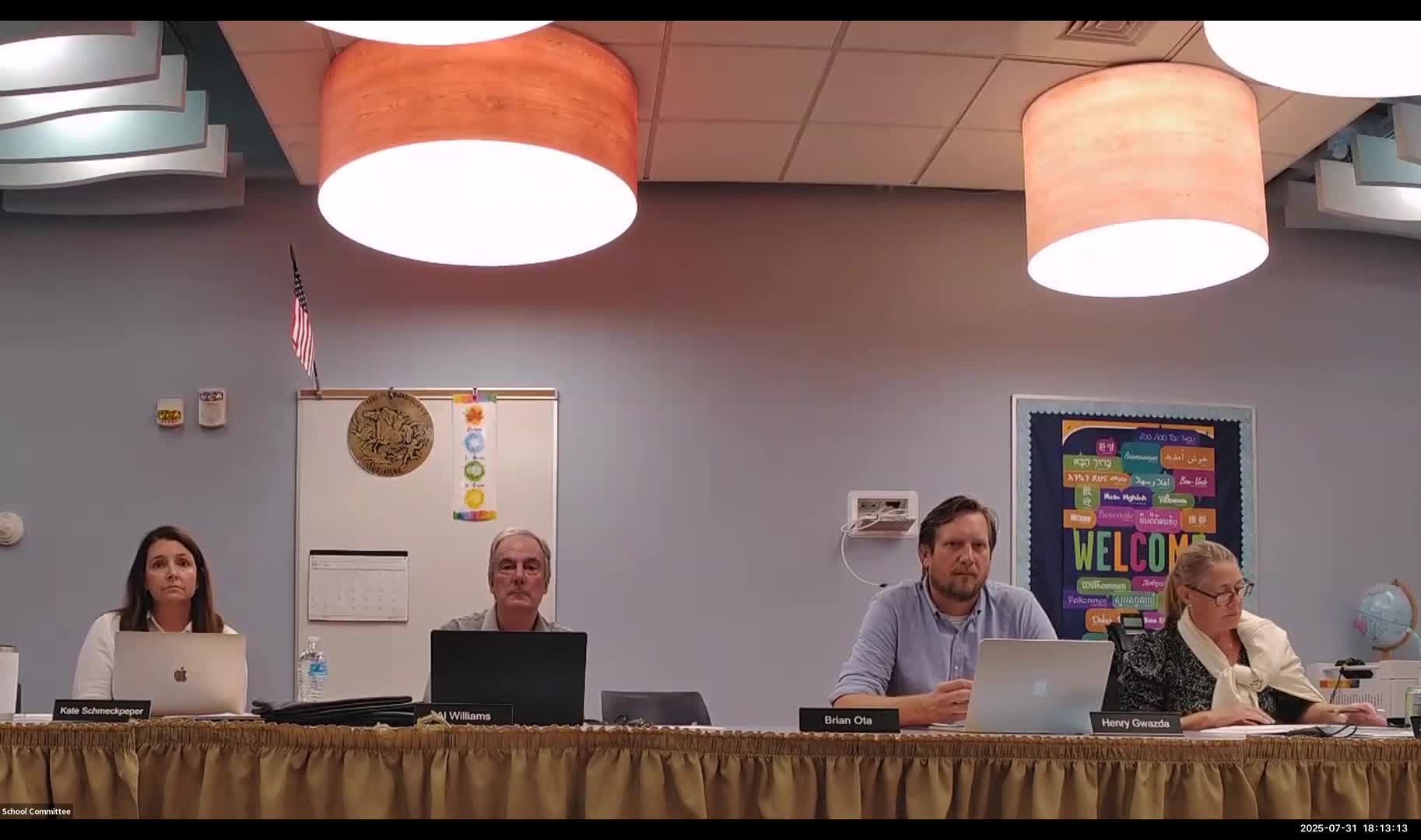
Summary
Multiple speakers, including community members on the district anti‑discrimination task force, told the Marblehead School Committee they want a timeline, reporting system and faster action to address antisemitism. The committee said it will increase meetings and student engagement and continue planning professional development.
Several residents addressed the committee during public comment and asked the Marblehead School Committee to set a timeline and concrete steps to address antisemitism in schools. A community speaker who identified herself as a member of the town’s Jewish community told the committee “we need actions now, not later,” asked for faster implementation of policies, education, consequences, and clear reporting systems, and thanked the superintendent for creating an anti‑antisemitism task force she said she serves on.
Another community speaker who said she also serves on the anti‑discrimination task force described recent incidents of antisemitic harassment and urged the district to move quickly. Both speakers said a parent/teacher/student survey had been sent late in the school year and asked the district to accelerate data collection and follow up for fall.
The superintendent and committee gave an update on the anti‑discrimination committee’s work. The superintendent said the group currently includes three community members, three administrators, three teachers and student feedback; she said she planned to hold monthly meetings in the fall, increase outreach to students, and embed professional development so trainings have ongoing reinforcement. The superintendent acknowledged the earlier survey had limited response and said it would be reissued with a different distribution plan in the fall.
Committee members discussed bringing in outside trainers and reviewed biographical information for a proposed speaker and trainer, identified in meeting materials as Dr. Mary (name variably spelled in materials), a professional who works on trauma-informed responses and resilience. The superintendent said she had interviewed that trainer and recorded an introduction video to share with the committee. Some members asked for follow-up to determine whether any proposed outside training would be one‑time or embedded professional development, and how it would be sequenced for students and staff.
Discussion versus action: The committee did not adopt new policy at the meeting. Members said they would increase the committee’s anti‑discrimination group meetings to monthly, continue student outreach, and return with tasks and timelines in the fall. Speakers in public comment were explicit that they wanted clear reporting channels and faster implementation than was happening at the time of the meeting.
Ending: The committee thanked the public speakers and said it would continue to meet the task force and report back as plans and timelines are developed.