
Senators hear testimony that Hong Kong functions as a sanctions‑evasion and money‑laundering hub
Get AI-powered insights, summaries, and transcripts
Subscribe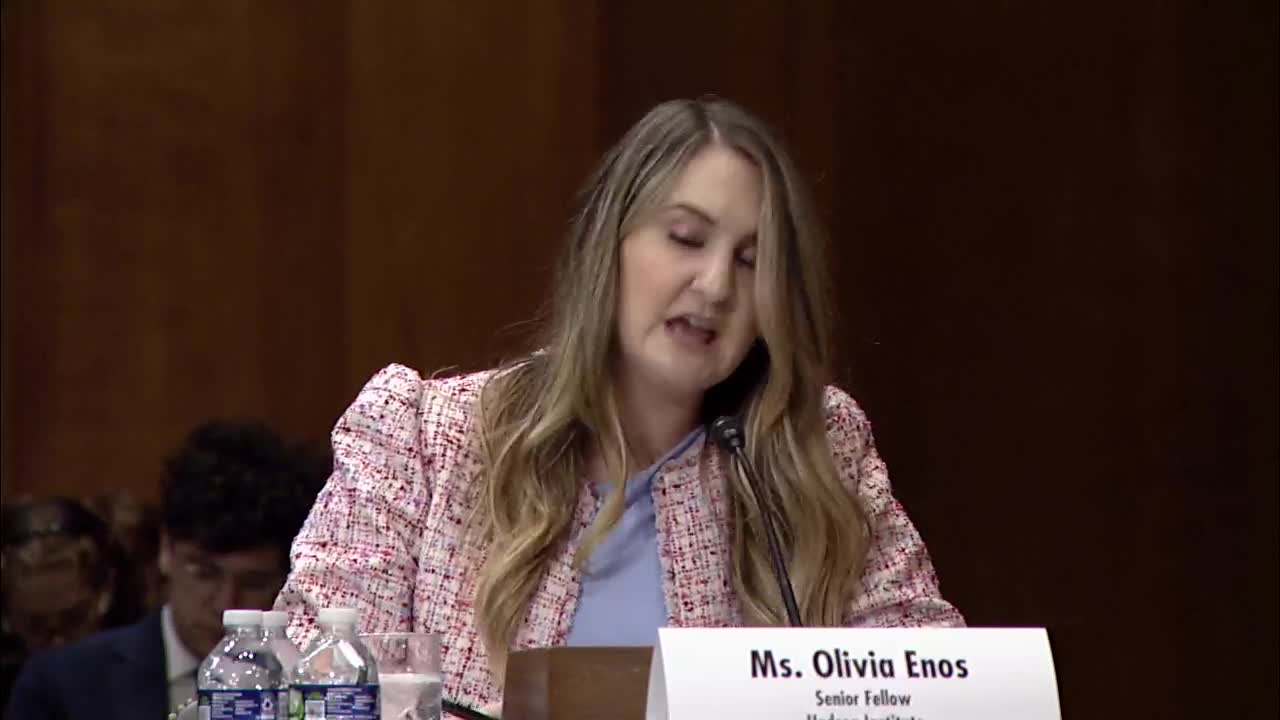
Summary
Witnesses told a Senate subcommittee that evidence exists of Hong Kong companies and transfers supporting sanctions evasion, and urged Congress to consider a primary‑money‑laundering‑concern designation and tighter oversight of financial flows.
WASHINGTON — Witnesses at a Senate subcommittee hearing on July 22 said Hong Kong has become a node for sanctions evasion and money‑laundering activity that can aid regimes such as Russia, Iran and North Korea and recommended targeted measures to disrupt those flows.
Olivia Enos summarized findings from a Committee for Freedom in Hong Kong report, saying the report “goes beyond the headlines” and documents ship‑to‑ship transfers, dual‑use shipments and shell companies used to move prohibited goods. She cited the report’s finding that Hong Kong provided over $2 billion in shipments of banned goods to Russia in August 2023 alone.
Why it matters: Senators and witnesses argued that Hong Kong’s financial role affects U.S. sanctions policy and global enforcement. Witnesses recommended tools including designation of certain Hong Kong entities or sets of transactions as a “primary money‑laundering concern,” targeted sanctions on officials enforcing the National Security Law and legislation such as the Stop CCP Money Laundering Act.
Witnesses and senators discussed business risk. Sophie Richardson and others warned that vaguely defined security offenses and the forced appropriation of media assets create regulatory and reputational risks for firms operating in Hong Kong. Olivia Enos said a primary‑money‑laundering‑concern designation could shift private‑sector risk assessments and deter banks from processing suspect transactions.
Discussion vs. decision: The hearing collected testimony and expressed bipartisan interest in advancing legislation; no formal vote or designation occurred during the session.
Ending: Witnesses recommended follow‑up reporting and urged the subcommittee to consider timelines and reporting requirements for executive agencies to assess money‑laundering risk in Hong Kong.