
Witnesses call for stronger guardianship reform, research and data collection to prevent abuse and preserve rights
Get AI-powered insights, summaries, and transcripts
Subscribe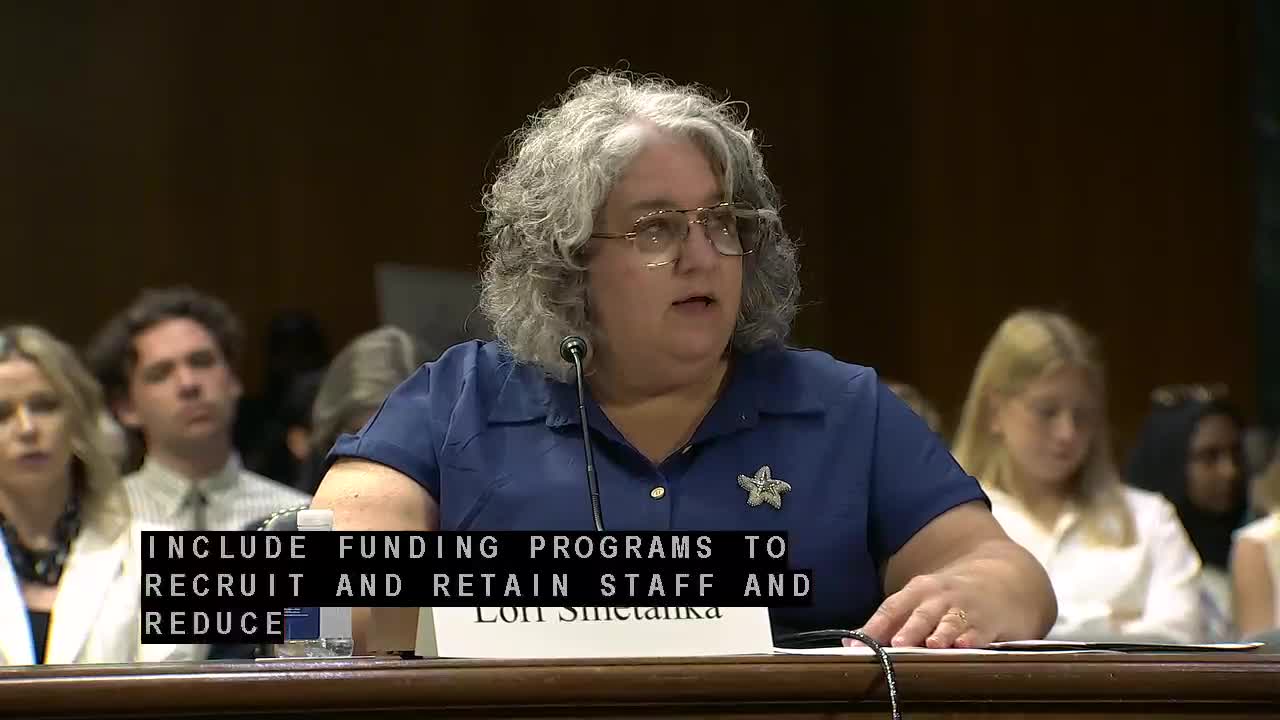
Summary
Panelists recommended federal funding for guardianship reform, improved court practices, alternatives to full guardianship and investment in research and data to detect abuse and track outcomes.
At the Senate Special Committee on Aging hearing, witnesses described guardianship as a double-edged tool that can protect older adults but can also remove rights and create new avenues for exploitation. Lori Smetanka urged federal funding to support state court guardianship reforms and better data collection. "While guardianship can be a solution to abuse and neglect, it can also strip a person of rights and expose them to further abuse," she told the committee, adding that full guardianship is often difficult to reverse. AARP witnesses urged alternatives such as supported decision-making, stronger oversight and appointed counsel in guardianship proceedings. Sean Vosco highlighted state reforms—his testimony noted recent state laws and pilot programs that increase due process and require certification for professional guardians. Witnesses recommended federal research to improve guardianship data, standardized reporting to reduce undercounting of abuse, and judicial training to explore less-restrictive alternatives before imposing full guardianship. Discussion vs. decisions: Testimony recommended federal funding and model court reforms; the committee did not adopt or vote on any specific legislative text during the hearing. Ending: Witnesses asked Congress to fund guardianship reforms and research so courts and advocates can better protect older adults’ rights while preventing exploitation.