
Planning commission approves AutoZone site plan for Dayton Xenia Road parcel
Get AI-powered insights, summaries, and transcripts
Subscribe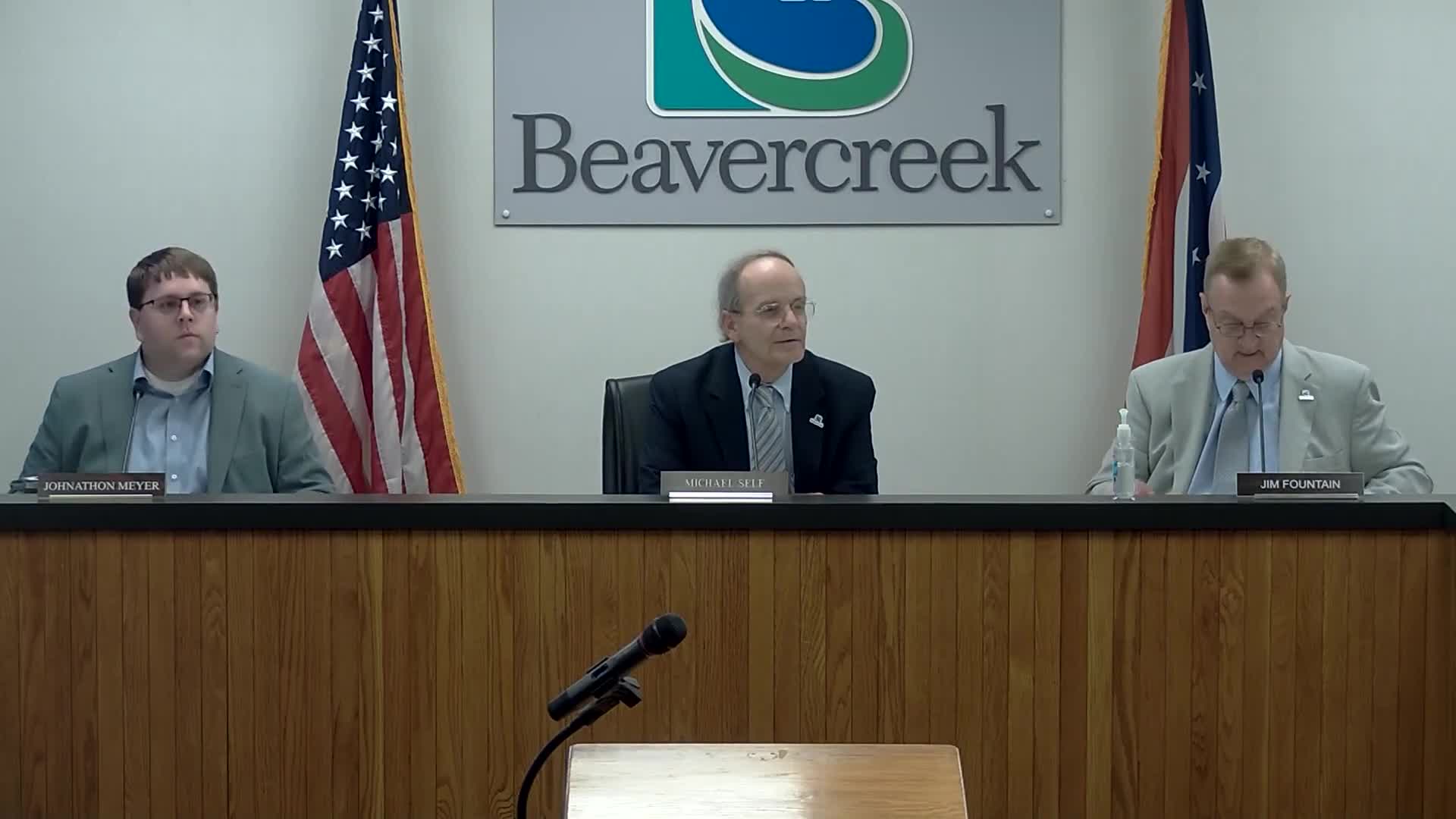
Summary
The Planning Commission granted approval for an AutoZone retail store at 3198 Dayton Xenia Road (PC25-6), accepting a detailed site plan and recommended materials and signage with 13 conditions. The store will replace a smaller, now-vacant building and include site changes, parking and a refaced existing ground sign.
The Beavercreek Planning Commission on Aug. 6 approved a detailed administrative site plan (PC25‑6) for a 6,816‑square‑foot AutoZone retail store at 3198 Dayton Xenia Road, subject to 13 conditions spelled out in the staff resolution.
Staff described the project as an ASRA (administrative site plan request) on a parcel of about 0.825 acres. The application calls for demolition of the existing structure (previously a tire retailer) and construction of the new AutoZone building with 31 parking spaces (zoning minimum is 28), a loading space for inventory and landscaping that meets city standards. The project team said the existing ground sign will be refaced and remain in the southwest corner of the lot; staff confirmed the sign location will not create a line‑of‑sight hazard at the Dayton Xenia Road intersection.
Chris Peters of MDM Surveyors and Engineers, representing the applicant, said the design had been refined with staff and that the building materials will include brick veneer and stone accents. Staff noted rooftop mechanical units will be screened behind parapet walls. No public comments or written input were received on the AutoZone application during the hearing.
Motion and vote: the commission approved PC25‑6 ASRA with the staff’s 13 conditions by a 3–0 vote (Commissioners Meyer, Fountain and Self voting yes). The applicant may proceed with final engineering and permit submittals consistent with the conditions.
Why it matters: The decision authorizes a commercial use consistent with the zoning district and replaces a vacant storefront; the conditions govern final materials, stormwater and sign details before permits are released.
What’s next: The developer will finalize construction drawings and apply for building permits; staff will ensure compliance with the 13 conditions before certificates of occupancy are issued.