
Committee split on affordability duration; deed restrictions and development agreements highlighted for enforcement
Get AI-powered insights, summaries, and transcripts
Subscribe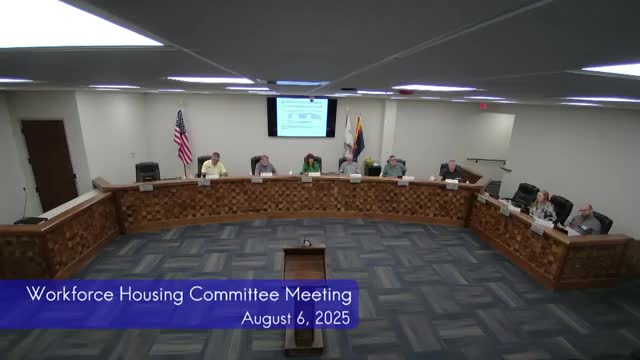
Summary
Committee members debated affordability periods for workforce housing (proposals ranged from 10 to 30 years) and discussed enforcement tools — deed restrictions, development agreements, and HOA monitoring — to ensure units remain affordable.
Committee members discussed how long workforce-housing units should remain affordable and how the city could enforce affordability commitments. Several council members recommended a 30-year affordability period. Some committee members said 30 years is common nationally but that lengthy affordability terms could deter developers. One committee member proposed a “stair-step” approach that ties affordability duration to the level of assistance provided (for example, longer affordability for projects receiving greater city support). Amber said legal and staff would need to determine whether the policy should state a firm term or allow council-adjustable durations. On enforcement, staff and members noted two common methods: development agreements for large projects and deed restrictions. Amber explained that for large projects the city could require a development agreement and that deed restrictions could bind future owners. A committee member said Flagstaff relies on homeowner associations and property managers to monitor covenants; Amber noted Flagstaff’s experience and the risk of projects failing to remain workforce housing if not monitored. Committee members also noted that shorter deed-restriction periods (for example, 2–4 years) have attracted buyers in prior programs but that longer terms better protect long-term affordability. Amber said the specific enforcement mechanism would be developed with legal and staff after policy approval.