
Municipal League-backed bill to streamline abatement and foreclosure of dilapidated property draws legal questions in committee
Get AI-powered insights, summaries, and transcripts
Subscribe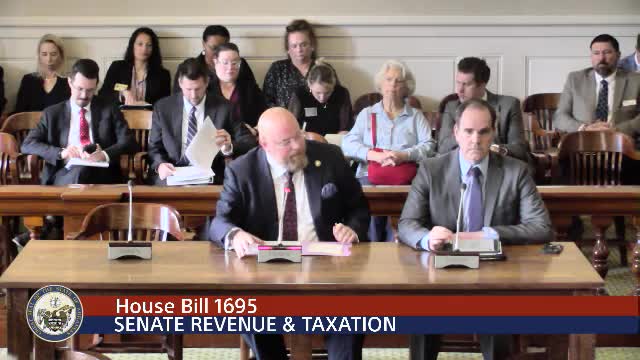
Summary
House Bill 1695, presented by the Arkansas Municipal League, would make procedural changes to municipal authority to abate, lien, foreclose and clear title for dilapidated property; committee discussion focused on due process, definitions of "unsightly" and the effect of moving statutory language, and no committee motion to pass was recorded.
House Bill 1695, brought to the Revenue & Tax Committee by John Wilkerson of the Arkansas Municipal League, would reorganize and clarify municipal authority to abate and lien dilapidated, unsafe or unsanitary properties and establish a clearer foreclosure process to help cities return neglected properties to productive use.
Wilkerson told the committee the bill does not create a new municipal power but reorganizes existing language so abatement and lien procedures operate cleanly together. He said the measure extends the time for municipalities to complete required lien processing from 120 days to 365 days, requires recording that a lien has been satisfied, and inserts a foreclosure process that the witness said previously was described in law but lacked an integrated procedure.
"The big addition in this bill is the foreclosure process," Wilkerson said, describing efforts to create a "clean foreclosure process" to achieve clear title and recover costs for raising buildings or cleaning up property. He said the draft borrows procedures from other parts of law and allows municipalities to notify the state land commissioner about repeatedly neglected properties.
Committee members raised a range of concerns. Several senators questioned whether relocating or rephrasing long-standing language (including terms such as "unsightly") could invite new litigation or alter how courts interpret nuisance law. Senator Boyd and Senator Dismang pressed whether moving and replacing sections would change the long-standing Supreme Court precedent that requires a nuisance showing before a municipality may abate property.
Wilkerson and supporters replied that the bill retains the nuisance requirement and due-process protections and that the statutory edits are intended to clarify timing and recording steps rather than broaden municipal authority. On procedural disposition, the committee did not record a successful motion to pass the bill; the transcript shows committee discussion and stops when members indicated a motion would not be made, and no committee passage was announced.