
Senate committee approves parents’ bill of rights amendment after provisions added for health and education
Get AI-powered insights, summaries, and transcripts
Sign Up Free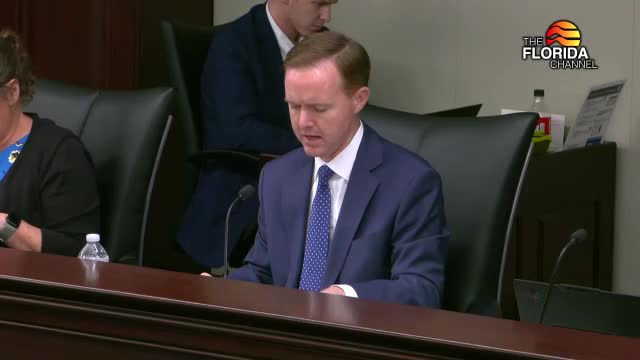
Summary
CS/SB 12-88, a broad parents’ rights measure that would restrict certain school and health practices without parental consent, was reported favorably after a strike-all amendment; the session included dozens of public commenters arguing for and against access to confidential adolescent care and school surveys.
The Senate Judiciary Committee voted to report favorably on CS/SB 12-88 after a strike-all amendment narrowed and clarified the bill’s provisions about parental consent for minor children’s medical care, school surveys and certain devices.
Sen. Marissa Grahl (sponsor) described the amended bill as a “Parents’ Bill of Rights,” saying changes made after the previous hearing were intended to balance parental authority with known exceptions. The strike-all amendment preserves parental decisionmaking for medical care of minors while listing exceptions: the bill does not remove existing mandatory-reporting duties, allows minors certain statutorily authorized medical decisions, and preserves decisions in the case of youth in out-of-home placements or when parents cannot be located. The amendment also clarified that health-care practitioners may provide emergency care and that providers would continue to be mandatory reporters when abuse is suspected.
Committee debate and a large public comment period focused on the consequences for adolescent access to sexual-health services, mental-health care, and the scope of school surveys. Attorney and education groups warned the bill could inhibit screening that identifies bullying, food insecurity, or mental-health crises. Advocates for parental rights said parents should have notice and consent before surveys, biofeedback devices, or treatments are provided in schools.
Sen. Berman asked whether the bill would require parental consent for surveys and the sponsor said parents would need to be given the questionnaire or otherwise be allowed to consent before surveys are administered and that the sponsor was open to further clarifications. The sponsor agreed that biofeedback device language needed clarification and said health-care providers would be allowed to provide emergency care.
Public testimony ran long: opponents included Equality Florida, ACLU of Florida, pediatricians and reproductive-health organizations, who warned the bill would create barriers for minors seeking confidential care and could increase risks from untreated STIs or mental-health crises. Supporters included parents’ rights and conservative groups who said parents deserve primary decisionmaking authority and criticized some school-based screening practices as opaque.
Amendment and vote: The committee adopted the strike-all amendment; after debate the committee reported CS/SB 12-88 favorably (8 yeas, 3 nays). Committee members said they expect additional drafting to address remaining concerns as the bill moves forward.