
NeuroWorks presenter recounts personal injury that led to specialized spinal cord rehabilitation program
Get AI-powered insights, summaries, and transcripts
Subscribe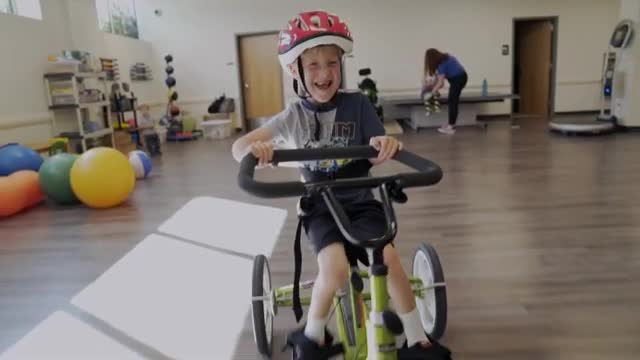
Summary
A presenter for NeuroWorks described becoming an incomplete quadriplegic after a trampoline accident and helped start NeuroWorks to provide extended, specialized rehabilitation emphasizing therapists, equipment and time. The program pairs clinical care with adaptive sports and daily-living milestones to help patients regain independence.
A staff member and presenter at NeuroWorks described how a personal spinal cord injury in 1999 led to the creation of NeuroWorks and a treatment model focused on specialized therapists, equipment and extended therapy time.
"Back in 1999, I was a practicing OB GYN here in the community. I failed to complete a back flip on my backyard trampoline and entered the world of paralysis as an incomplete quadriplegic," the presenter said. "After my 2 year journey with an incredible physical therapist named Jan Black, we both recognized that there was a big need in our community. So we decided, let's see if we can do something to answer that need and give others what I was getting from an amazing physical therapist. And that's how NeuroWorks came to be."
The presenter said NeuroWorks’ treatment model centers on three elements: "great therapists, specialized equipment, and most importantly, adequate time to make progress." They added, "Machines don't make people better. People make people better," and credited staff creativity and dedication for patient gains.
The presentation stressed that rehabilitation often focuses on small, practical milestones that matter to daily life, such as getting balanced to put on a shoe or dressing independently. "Sometimes it's about staying balanced as you put a shoe on or staying balanced to get your shirt on for the first time or take a bite of food by yourself," the presenter said. "It's all of those little things, helping people and watching people meet those milestones and realize that they're capable of something that they couldn't do a couple weeks ago or a couple months ago. The highs are really high here."
The presenter described a range of adaptive activities used to support recovery and build momentum behind therapy, including wheelchair basketball, wheelchair rugby, adaptive skiing, cycling and an "adaptive ceramic pottery wheel." They also emphasized the program’s attention to the emotional and psychological impacts of paralysis: "The physical paralysis is actually the easy part because they're paralyzed mentally and emotionally and psychologically and all other ways. And helping them navigate those aspects of paralysis is just as important, if not more important than the physical paralysis."
The presenter framed NeuroWorks’ work as returning value and productivity to patients’ lives and said staff regularly observe meaningful improvements: "The patient that calls me and says, I just changed my sheets in my college room for the first time from a wheelchair, that's my paycheck because they're excited, and they realize, you know, that life is gonna be okay."
The presentation also referenced the presenter’s personal connection to spinal cord injury through family: "I have a passion for this work, and I came into it because my wife sustained a spinal cord injury 32 years ago. So I've seen both sides of it, and I know how challenging these injuries can be to both the individual as well as the family and those that take care of them."
No formal actions, votes or policy changes were recorded in the transcript of the presentation. Details about program funding, patient volumes, or plans for expansion were not specified in the remarks.