
Sterling Heights council introduces $318 million proposed FY2026 budget; ordinance introduced 7-0
Get AI-powered insights, summaries, and transcripts
Sign Up Free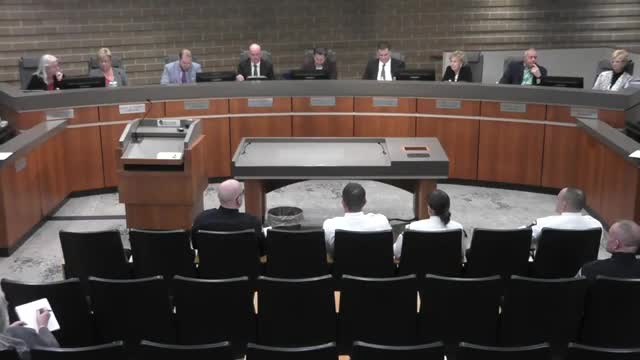
Summary
City officials presented a $318 million proposed fiscal 2026 budget that relies on a voter-approved "Pathways and Preservation" millage and a planned $40 million bond issue; the council introduced the FY2025-26 appropriations ordinance at a special budget workshop and the motion carried 7-0.
Sterling Heights city officials presented a $318 million proposed fiscal 2026 budget and the City Council formally introduced the fiscal year 2025–26 appropriations ordinance at a special budget workshop; the motion to introduce the ordinance carried 7-0.
The proposed total fund budget is $318,000,000; the general fund is $132,500,000 (about 42% of the total). Budget and Finance Director Jennifer Varney told the council the proposed increase in total funds (about $27,000,000 over the current year) is driven primarily by a new Pathways and Preservation Fund created to track expenditures from a voter-approved millage and related bond proceeds. "The total city budget this year is $318,000,000," Varney said during the presentation.
Why it matters: the package affects tax collections, capital projects and staffing. The proposed 2025 tax-year city millage is 17.53 mills (an increase of 0.95 mills), the presentation said; that increase reflects the voter-approved Pathways to Play and Preservation millage. Varney showed an example that the average Sterling Heights homeowner would pay roughly $1,809 a year in city taxes under the proposal.
Key budget details - Total proposed funds: $318,000,000; general fund: $132,500,000. Public safety is the largest general-fund item (about 56% of the general fund). - Primary drivers of the year-over-year fund increase: creation of the Pathways and Preservation Fund ($45,000,000 of the increase; approximately $40,000,000 financed with planned bond proceeds) and funding for the first phase of Fire Station No. 5 renovations from a facilities improvement fund. - Revenue specifics called out by Varney: general fund revenues are estimated at $131.7 million; property taxes make up about 61% of that total. Taxable values rose in the current year, and Varney said typical residential taxable values rose roughly $5,000 from last year to an average taxable value near $103,000. - Personnel and liabilities: the proposed budget adds a net nine full‑time positions (eight funded in whole or part by grants or dedicated revenues). The city budgeted about $27 million for pension and retiree medical liabilities across its plans and showed funding increases in recent actuarial results. - One‑time and timing items: the proposed budget uses roughly $735,000 of fund balance for timing-related items, including advance funding for four firefighter EMTs that the city expects to reimburse through the Ground Emergency Medical Transport (GEMT) program when state reimbursements arrive.
Capital, special funds and debt Varney said the city expects to issue approximately $40,000,000 in bonds to finance projects tied to the new millage and that the city remains well inside its legal debt capacity. Road programs are funded largely by state Act 51 gas-and-weight tax revenues and the city budget anticipates about $4.5 million of city-share major-road funding toward a roughly $12 million season of road work.
Council action Councilmember (Missus) Swierowski moved to introduce the appropriations ordinance for fiscal year 2025–26; the motion was seconded (support stated on the record) and the council voted to introduce the ordinance, with the motion carrying 7–0. The administration noted that any council budget amendments must be formalized at the second hearing (scheduled in the process) and that final adoption is planned for the May 6 meeting.
Context and next steps City officials emphasized the budget remains focused on financial stability, low debt levels and continued service investments while keeping Sterling Heights among the lower-taxed communities in Macomb County. Varney and city management reminded residents and council members that the second budget hearing will receive potential amendments and that required votes to adopt or change budget items must occur in the formal hearing sequence.